
How Does Dust-Controlled Floor Sanding Work?

by Darren Admin
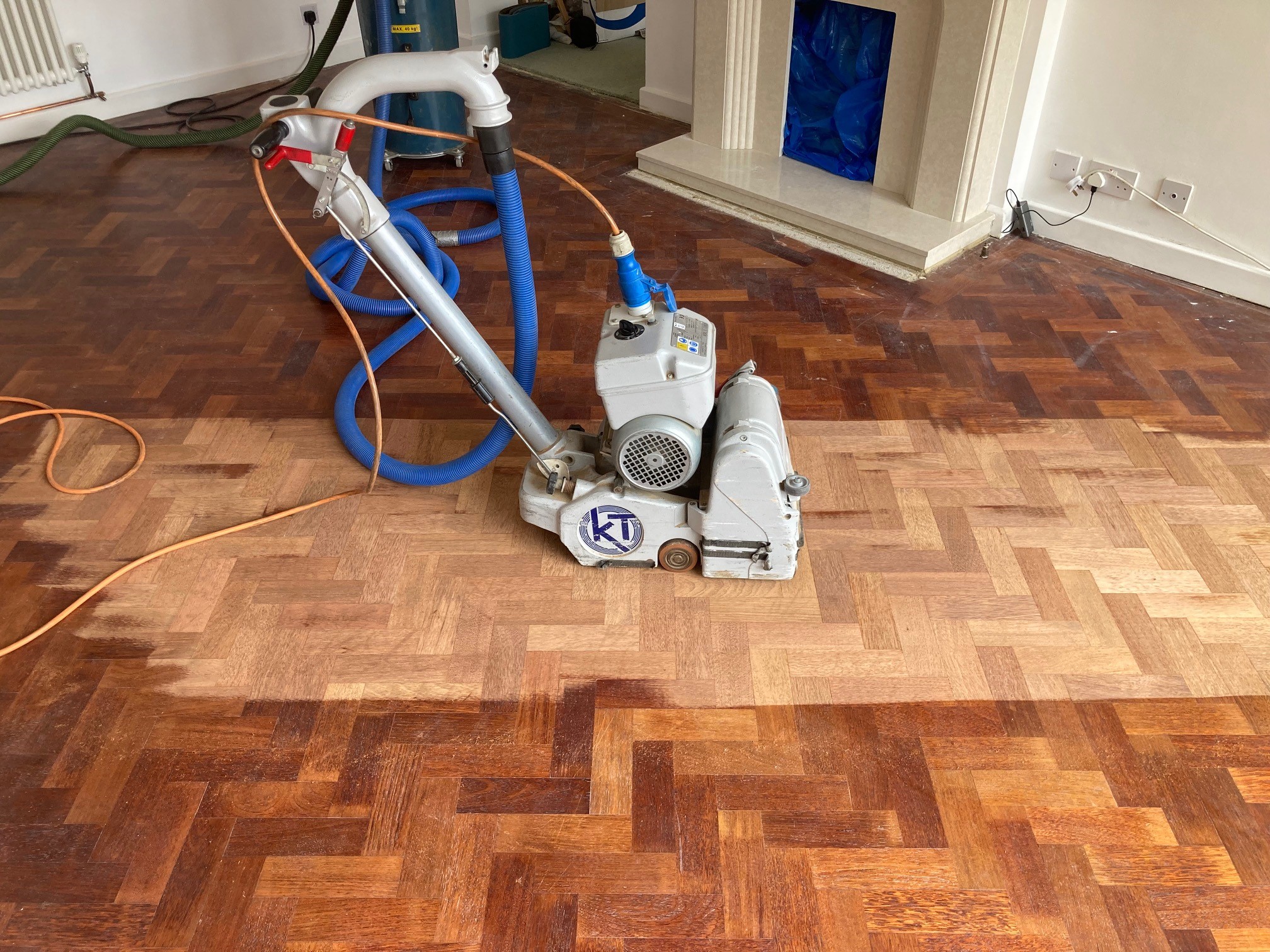
Floor sanding creates dust. That is true whether the work is carried out by an experienced flooring contractor or by someone hiring a machine for the first time, because sanding depends on abrasive paper cutting through old finish and a thin layer of timber. What modern equipment can do is capture the overwhelming majority of that dust before it spreads through the room.
That is the principle behind dust-controlled floor sanding. It does not mean a room becomes perfectly sterile, and it should not be sold as a miracle process. It means the sanding machine and extraction system are set up to collect dust at source, reduce airborne particles, keep the working area cleaner and create better conditions for finishing the floor.
For a homeowner, the practical question is simple: how much dust will end up in the house, and what does the contractor do to keep the mess under control? This guide explains what dust-controlled sanding means, how the equipment works, what to ask before booking and what expectations are realistic. Modern extraction systems have changed the way professional floor sanding is carried out, but the quality of the result still depends on equipment, preparation and operator experience.
What Dust-Controlled Floor Sanding Means
Dust-controlled floor sanding is a method of sanding where the machine collects waste material at the point it is created. Instead of allowing sanded particles to be thrown around the room, the sander draws them through a hose into a collection bag or an external extraction unit.
The sanding process itself is still the same basic trade process: the contractor sands through the correct grit sequence, works the edges and corners, prepares the bare wood and applies the chosen finish. The difference is that the dust is being actively managed while the sanding is happening.
The term dust-controlled is more accurate than dust-free. Dust-free is common in advertising because it is easy to understand, but it can give the wrong expectation. A properly maintained system should capture the vast majority of dust, but a small amount of fine dust can still escape when machines are lifted, edges are worked, bags are emptied or the room is finally cleaned.
Dust-Controlled vs Dust-Free: The Honest Difference
| Term | What it usually means | What to expect |
|---|---|---|
| Traditional sanding | Older or poorly extracted sanding methods | More airborne dust and heavier clean-up |
| Dust-controlled sanding | Professional extraction used during sanding | Most dust captured at source, light residual dust possible |
| Dust-free sanding | Common marketing phrase | Useful shorthand, but not literally zero dust |
No sanding process is completely dust-free. That is the first point worth knowing before you book any work. If old finish and timber are being abraded, fine material is being produced. The question is not whether dust exists. The question is how much of it is captured before it travels through the property.
With older or poorly maintained sanding equipment, dust can be thrown into the air and left to settle on skirting boards, window ledges, furniture, curtains and rooms away from the working area. With dust-controlled sanding, most of that material is drawn into the extraction system before it becomes airborne.
A realistic expectation is a dramatically cleaner job, not a completely dustless one. You may still see a light dusting close to the work area, especially after the final clean or when bags are emptied. That is normal. What you should not expect from a professional dust-controlled process is clouds of dust hanging in the air or a thick film covering the entire property.
Why Sanding Creates Dust in the First Place
Sanding is an abrasive process. The paper or disc cuts away old lacquer, oil, stain, surface contamination and a very thin layer of wood. On a floor that has been down for years, that material can include old coatings, dirt held in the finish, fine timber fibres and residues from previous work.
The same principle applies to solid boards, engineered wood and parquet flooring. If the surface is sanded, dust is created. The amount of dust varies depending on the floor condition, previous finishes, grit sequence and how much material needs to be removed, but the need for extraction is always present.
This is why dust control matters just as much on a small parquet hallway as it does in a large open-plan room. The surface area may be different, but the dust particles are still fine enough to travel unless they are captured properly.
How Professional Machines Capture Dust at Source
The key to dust-controlled sanding is capturing dust at the moment it is produced. Modern sanding machines do this through a combination of enclosed sanding heads, airflow, hoses, compatible abrasives and collection systems.
On larger machines, the sanding area is designed to direct debris into an extraction path rather than letting it escape freely into the room. On many finishing sanders, perforated abrasives allow suction to pull dust through the sanding disc and into the machine or hose. Edging machines and detail sanders also need good extraction, because edges and corners can otherwise become the dustiest parts of the job.
The collection system might be a high-capacity bag on the machine or an external dust extractor connected by hose. The important point is compatibility. A powerful extractor will not perform properly if the machine, hose, seals or abrasives are poorly matched. A good operator also monitors the system throughout the day because a full bag or blocked hose reduces suction and allows more dust to escape.
What H-Class Filtration Means in Practice
Some professional systems use high-grade filtration as part of the extraction setup. In practical homeowner terms, the aim is to reduce fine airborne particles during sanding and make the working environment more controlled.
Filtration is not a substitute for good sanding technique. It works best as part of a complete process: suitable machines, sealed or well-controlled sanding heads, compatible abrasives, clean hoses, regular emptying and careful room management. The contractor still needs to prepare the area properly and clean between sanding and finishing stages.
Why Dust Control Matters in an Occupied Home
Many floor sanding projects happen in lived-in homes. Furniture may be in the next room, bedrooms may be upstairs and the household may need to keep using parts of the property while the work is being carried out. In that setting, dust control is not just a technical feature. It affects how disruptive the job feels.
Fine sanding dust is light and can travel. Once airborne, it can drift under doors, up stairwells and through small gaps. Dust-controlled sanding reduces that movement by collecting most of the material at floor level before it spreads.
This is especially useful in homes with carpeted stairs, soft furnishings, open-plan layouts or rooms directly off the sanding area. It also makes the clean-up far more manageable. Instead of dealing with a blanket of powder across the house, the remaining cleaning is usually much more localised.
How Dust Control Helps the Finished Floor
Dust control is not only about keeping the house cleaner. It also helps create better conditions for finishing the floor. Once the final sanding pass is complete, the floor is bare timber or freshly prepared wood. If dust settles on that surface, it can interfere with the way lacquer, oil or hardwax systems bond and cure.
Dust trapped between coats can cause small specks, roughness, dull patches or a slightly gritty feel. Good contractors still vacuum, tack and inspect the surface before finishing, but a cleaner sanding process gives the finish a much better starting point.
This is one reason dust control is often discussed alongside floor refinishing. A clean sanding environment helps the finishing system perform as intended and reduces the risk of contamination during the coating process.
What You Should Realistically Expect
You should expect a much cleaner process than traditional sanding. The bulk of the dust should be collected by the machine, and the room should not be filled with visible clouds while the work is under way.
You should also expect some practical preparation. Small items, rugs and loose furniture should be removed. Doorways may be sealed where useful. Nearby surfaces may still need a light wipe down afterwards. These steps do not mean dust control has failed; they are sensible measures that help keep the property clean.
You may see a small amount of dust when the machine is switched off, lifted or when collection bags are emptied. An experienced operator will manage these moments carefully, but they cannot be eliminated completely. The honest expectation is controlled dust, not no dust at all.
DIY Sanding and the Limits of Household Vacuum Cleaners
Dust control is one of the areas where DIY sanding often falls short. Hire machines vary in quality, and many are not paired with extraction systems capable of properly controlling fine sanding dust.
Household vacuum cleaners are not designed for the volume or fineness of abrasive sanding dust. Even a powerful domestic vacuum can clog quickly, lose suction or allow fine particles back into the room through its filter system. Makeshift doorway barriers can help limit the spread, but they do not capture dust at source.
If a homeowner is considering DIY sanding, the dust question should be treated seriously. The work is not just about getting a machine onto the floor. The extraction system, abrasives, filters and preparation all make a difference to how clean and successful the job will be.
Preparing for a Dust-Controlled Sanding Visit
Clear the room as much as possible before the contractor arrives. The fewer items in the room, the easier it is to sand properly and the fewer surfaces there are for any fine dust to settle on.
Remove rugs, ornaments and smaller furniture. Take down or tie back curtains where they touch the floor. Keep adjoining doors closed, and ask whether temporary doorway sheeting is useful for the layout of your home.
Plan around drying time as well as sanding time. Dust control helps with sanding, but the finish still needs suitable drying and curing conditions. The room should be kept clear while coats are applied and during the early drying period.
When Professional Restoration Is the Right Call
Dust-controlled sanding is one part of the job. It does not decide whether a floor is suitable for full sanding, whether repairs are needed or which finish should be used. Those decisions come from assessing the condition of the floor.
A full wood floor restoration often combines repairs, preparation, sanding and finishing to deal with the underlying condition of the floor rather than simply improving its appearance. If the floor has loose boards, deep scratches, water staining, gaps, old poor repairs or unstable parquet blocks, sanding alone may not be enough.
This is where a professional assessment becomes important. The right recommendation should explain whether the floor needs straightforward sanding, localised repairs, a lighter refinishing approach or a fuller restoration process. Dust control improves the working conditions, but it does not replace the need for proper diagnosis.
Dust-Controlled Sanding for Parquet Floors
Parquet floors need particular care because they are made from individual blocks, often with changing grain direction across the pattern. Dust control helps keep the work cleaner, but the bigger issue is whether the blocks are stable enough to sand safely.
Loose blocks, failed adhesive, gaps, missing sections and old repairs should be assessed before parquet floor sanding begins. If unstable blocks are sanded before repair, edges can catch and the final result may be uneven. Once the floor is stable, dust-controlled sanding can be used as part of a careful parquet restoration and finishing process.
Common Misconceptions About Dust-Controlled Sanding
- The first misconception is that dust-controlled means no cleaning at all. In reality, it greatly reduces mess, but final cleaning and surface preparation are still part of a professional job.
- The second is that dust control fixes poor sanding technique. It does not. A clean sanding system can still leave marks if the wrong grit sequence, machine handling or edge work is used.
- The third is that any vacuum attached to a sander gives the same result. Dust control depends on the whole system: machine, hose, filters, seals, abrasives and operator practice.
- The fourth is that dust-free claims should be taken literally. A more trustworthy explanation is that the process is dust-controlled and designed to reduce airborne dust significantly.
Questions to Ask Before Booking
| Question | Why it matters |
|---|---|
| What extraction system do you use? | Shows whether dust control is part of the actual process. |
| Are edges and corners extracted too? | Edges can create dust if not properly controlled. |
| What should I clear before you arrive? | Good preparation improves cleanliness and access. |
| How is the floor cleaned before finishing? | Dust left behind can affect coating quality. |
Ask what type of dust extraction system will be used. You do not need a technical lecture, but the contractor should be able to explain how dust is collected and what you should expect afterwards.
Ask whether the sanding equipment is connected to extraction throughout the job, including edges and corners. The main sanding area may be well controlled, but poor edge extraction can still create unnecessary dust.
Ask what preparation is needed before the team arrives. A clear answer gives you confidence that the contractor has a process rather than simply turning up with machines.
Ask how the floor will be cleaned before finishing. This matters because dust left on the bare floor can affect the final coating.
Frequently Asked Questions
Is dust-free floor sanding really dust-free?
No. A modern dust-controlled system captures the vast majority of particles at source, but a small amount of fine dust can still escape. A realistic expectation is a much cleaner process than traditional sanding, not a perfectly dustless room.
How does a dust-controlled sanding machine capture dust?
The machine collects dust through a combination of enclosed sanding areas, airflow, hoses, compatible abrasives and either a collection bag or external extractor. The aim is to capture the dust at the moment it is created, before it spreads into the room.
Why does floor sanding create so much dust?
Sanding removes old finish, surface contamination and fine timber fibres. That material is very light and can travel easily if it is not collected at source.
Can a household vacuum cleaner control sanding dust?
Most household vacuum cleaners are not suitable for floor sanding dust. The dust is too fine and produced in too much volume for normal domestic filters and motors.
Does dust-controlled sanding cost more?
Professional dust-controlled sanding equipment is normally part of a professional floor sanding service rather than a separate add-on. The more important question is whether the contractor uses modern extraction systems and maintains them properly.
Does dust control improve the final finish?
Yes, it can help. A cleaner sanding environment reduces the chance of dust settling on bare wood or between finish coats, which supports smoother application and better finish reliability.
Summary: Cleaner Sanding, Better Control, Better Results
Dust-controlled floor sanding is not a promise that no dust will exist. It is a professional approach designed to capture most dust at source, reduce disruption in the home and create cleaner conditions for finishing the floor.
For homeowners, the key is to look for honest wording, suitable equipment and a clear process. The best result comes from combining dust control with proper assessment, careful sanding, suitable repairs where needed and the right finishing system for the floor.
Recommended Posts
Is Parquet Floor Restoration Worth It?
06/08/2026
Can Missing Parquet Blocks Be Replaced?
06/08/2026
Testimonial Five
See more of our customer reviews at Checkatrade.com
YOU’RE IN GOOD HANDS






Contact our local carpet cleaners and local floor sanders near you to discover more about a full selection of floor restoration services.
Contact Us