

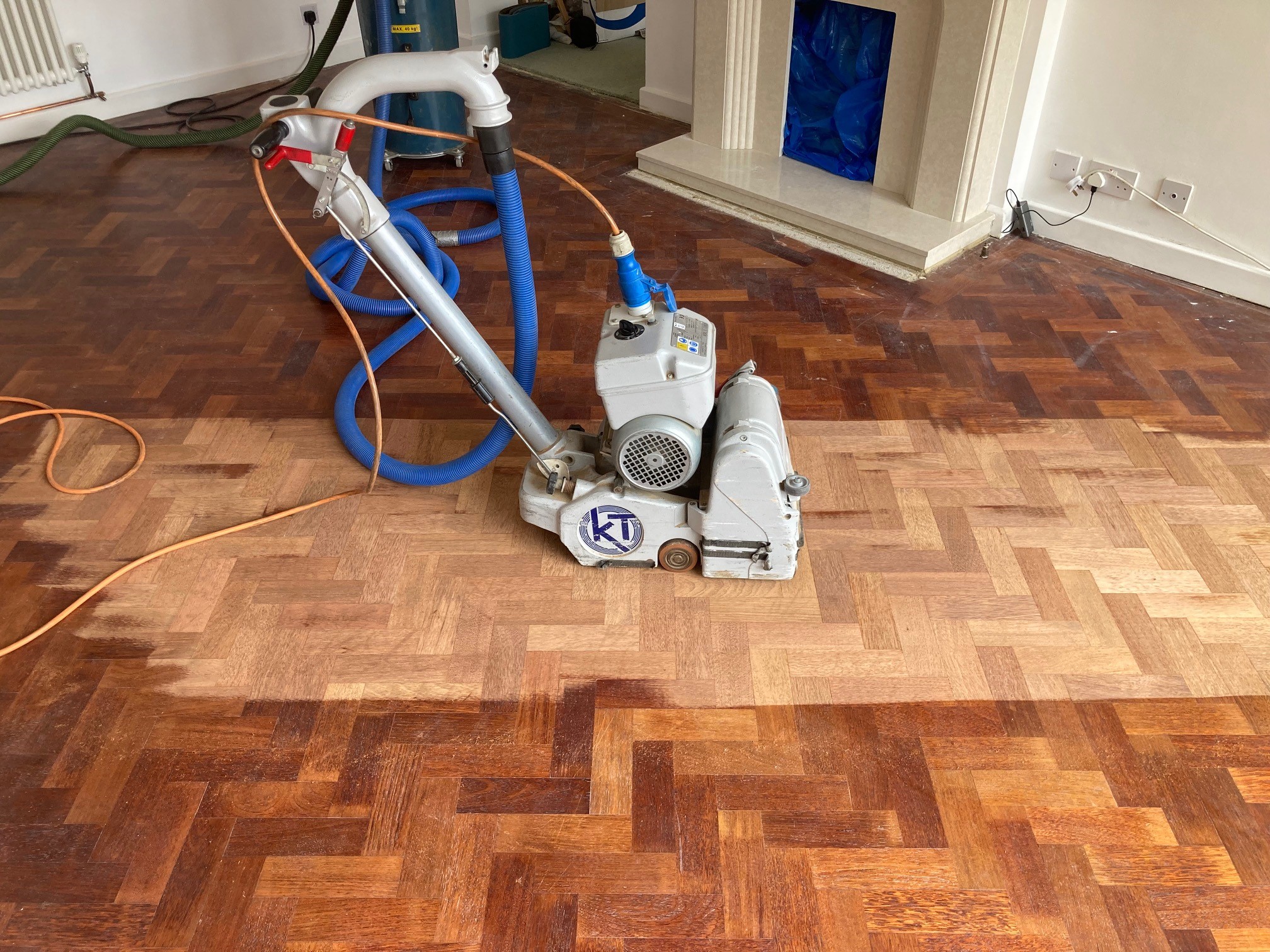
Floor sanding creates dust. That is true whether the work is carried out by an experienced flooring contractor or by someone hiring a machine for the first time, because sanding depends on abrasive paper cutting through old finish and a thin layer of timber. What modern equipment can do is capture the overwhelming majority of that dust before it spreads through the room. That is the principle behind dust-controlled floor sanding. It does not mean a room becomes perfectly sterile, and it should not be sold as a miracle process. It means the sanding machine and extraction system are......
Continue Reading
Does My Floor Need Sanding, Repairs, Restoration or Refinishing?
Most homeowners notice the same thing at some point: the wood floor that once looked rich and well cared for starts to look tired. There may be dull patches, light scratches, grey areas where the finish has worn away, loose boards, gaps, or parts of the floor that no longer feel solid underfoot. The immediate question is usually simple: does the floor need sanding, repairs, restoration or refinishing? The honest answer is that the right treatment depends on what has actually failed. Sometimes the surface coating is the only problem. Sometimes the timber underneath has been exposed. Sometimes the...
Continue Reading
Wood Floor Restoration vs Refinishing: What’s The Difference?
When a wooden floor starts to look tired, the words restoration and refinishing are often used as if they mean the same thing. In day-to-day conversation, that is understandable. Both can make an old floor look renewed, and both are usually less disruptive than pulling the floor up and starting again. But for a homeowner deciding what work is actually needed, the difference matters a great deal. Refinishing is mainly a surface process. It renews the worn protective layer, refreshes the timber beneath it and applies a new finish. Restoration goes deeper. It considers the condition of the floor...
Continue Reading
How To Choose The Right Finish For Your Wooden Floors
The sanding is finished. The dust has settled, the old coating has been stripped away, and the bare boards are smooth underfoot. After years of scratches, dull patches and daily wear, the floor looks cleaner and lighter than it has in a long time. One decision remains, and it will shape the look, feel and lifespan of the floor for years to come: which finish should go on top? Homeowners often focus heavily on the sanding itself, and that is understandable. But the finish is what the home lives with every day. It affects how the floor appears in...
Continue Reading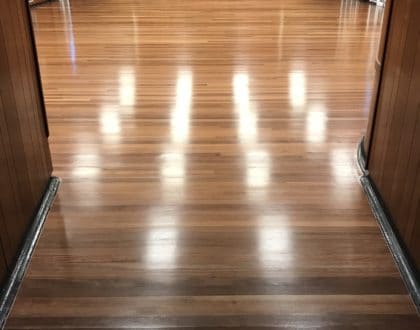
How To Look After Newly Restored Wooden Floors
A newly restored wooden floor is one of the most satisfying improvements a home can receive. The sanding process removes years of wear, the grain reappears with a clarity that was long hidden, and the fresh finish gives the room a clean, even warmth. The question most homeowners ask in the days that follow is simple: how do I keep it looking like this? The answer is a combination of patience in the first weeks, sensible protection, a consistent cleaning routine and realistic expectations about future maintenance. Good aftercare can significantly extend the life of a finish, but no...
Continue Reading What Is Floor Polishing and When Is It the Right Choice?
Many homeowners use the term floor polishing to describe anything that makes a wooden floor look cleaner, brighter or more even again. In practice, floor polishing can mean several different things depending on the condition of the floor, the type of finish already in place and whether the surface still has enough protection left to work with. Some floors only need a light maintenance polish to improve sheen and reduce the appearance of mild surface wear. Others need a buff and recoat or screen and recoat to refresh the protective finish properly. Floors with deep scratches, exposed timber, failed...
Continue Reading
Wooden Floor Maintenance
Wood floor maintenance and wood floor restoration are often confused, but they are not the same thing. Maintenance protects an existing finish before the floor becomes badly worn. Restoration is needed when the floor has gone beyond routine care and requires more involved repair, sanding, preparation or refinishing work. This commercial wood floor had already been worked on by another contractor, but the final result was poor. The floor was left with visible stop marks, uneven areas and blemishes in the finish. Before jumping straight to a full re-sand, the first step was to assess whether the surface could...
Continue Reading