

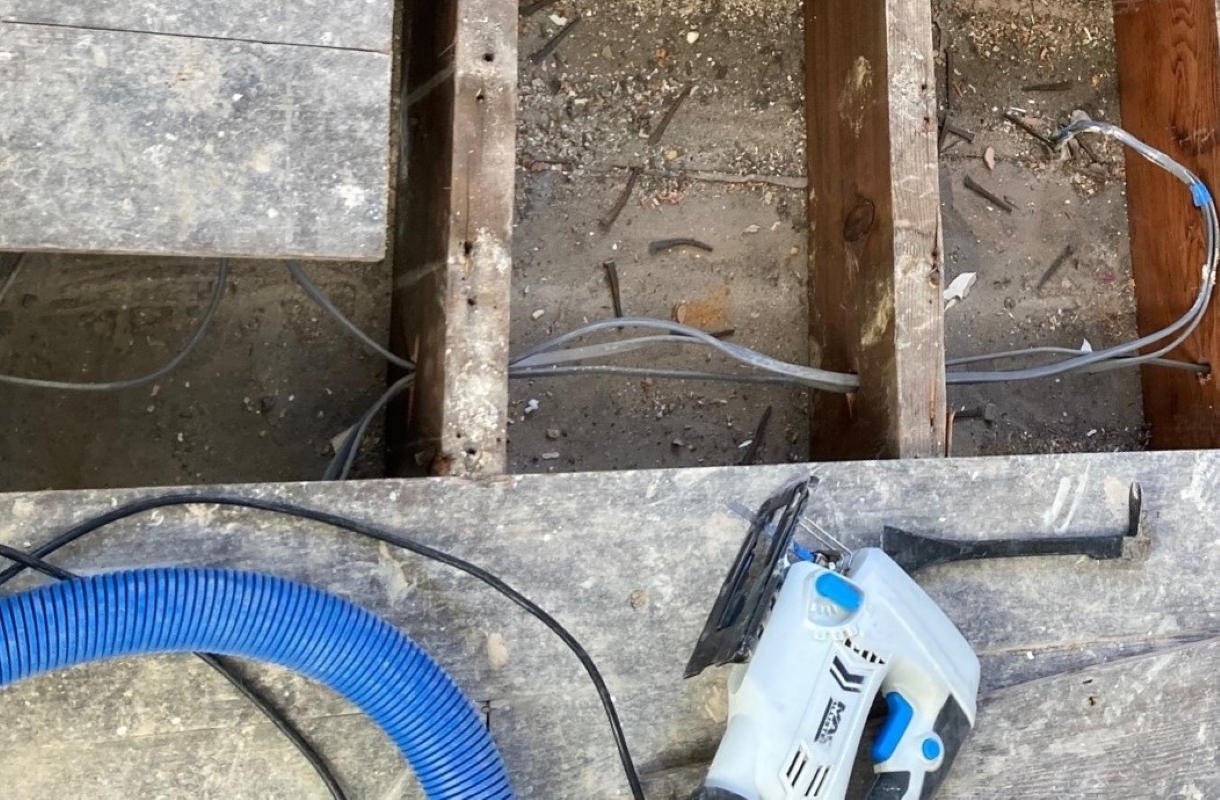
Can Water-Damaged Wooden Floors Be Restored? A radiator valve that weeps overnight, a washing machine that leaks beneath kitchen cabinets, a plant pot that sits too long and leaves a dark stain on the boards. These are the everyday accidents that leave homeowners looking at an unfamiliar floor: water marks, cupped planks, raised edges, dull patches, black staining or a musty smell from a floor that was level only weeks earlier. The concern is understandable. A wooden floor is a significant part of a room, and water damage can look severe very quickly. But water damage does not automatically......
Continue Reading
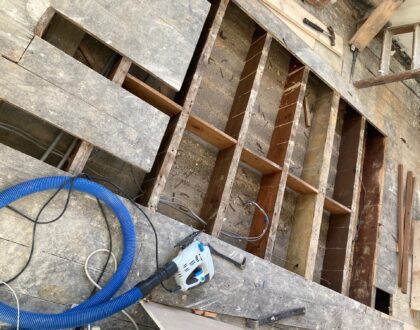
How Are Missing Sections Of Wooden Flooring Repaired?
Pull up the edge of an old carpet in a period home and you may find more than floorboards. There may be a gap where a board should be, a void left by a removed hearth, a section of plywood that was fitted years ago as a quick fix, or several parquet blocks missing from the edge of a room. Missing sections of wooden flooring are common in older properties. They are usually caused by past building work, fireplace alterations, pipework changes, local damage, damp, old woodworm damage, or previous repairs that were never properly finished. The good news...
Continue Reading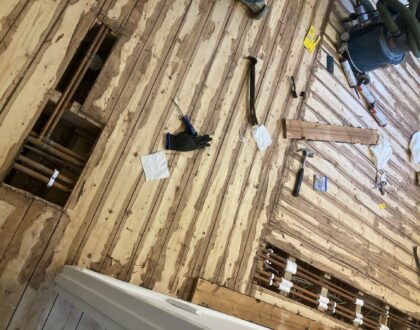
Wood Floor Gap Filling: When to Use Resin, Slivers or Flexible Fillers
Gaps in wood floors are a common frustration for homeowners. They collect dust, can let in draughts, and may make a room feel unfinished. But filling those gaps is not as simple as squeezing in any product from a hardware shop. The right method depends on the size of the gap, the type of wood, whether the floor is still moving, and the result you want to achieve. This guide explains the three main approaches used in wood floor gap filling: resin and dust filling, timber slivers, and flexible fillers. Each has strengths, weaknesses and situations where it should...
Continue Reading