

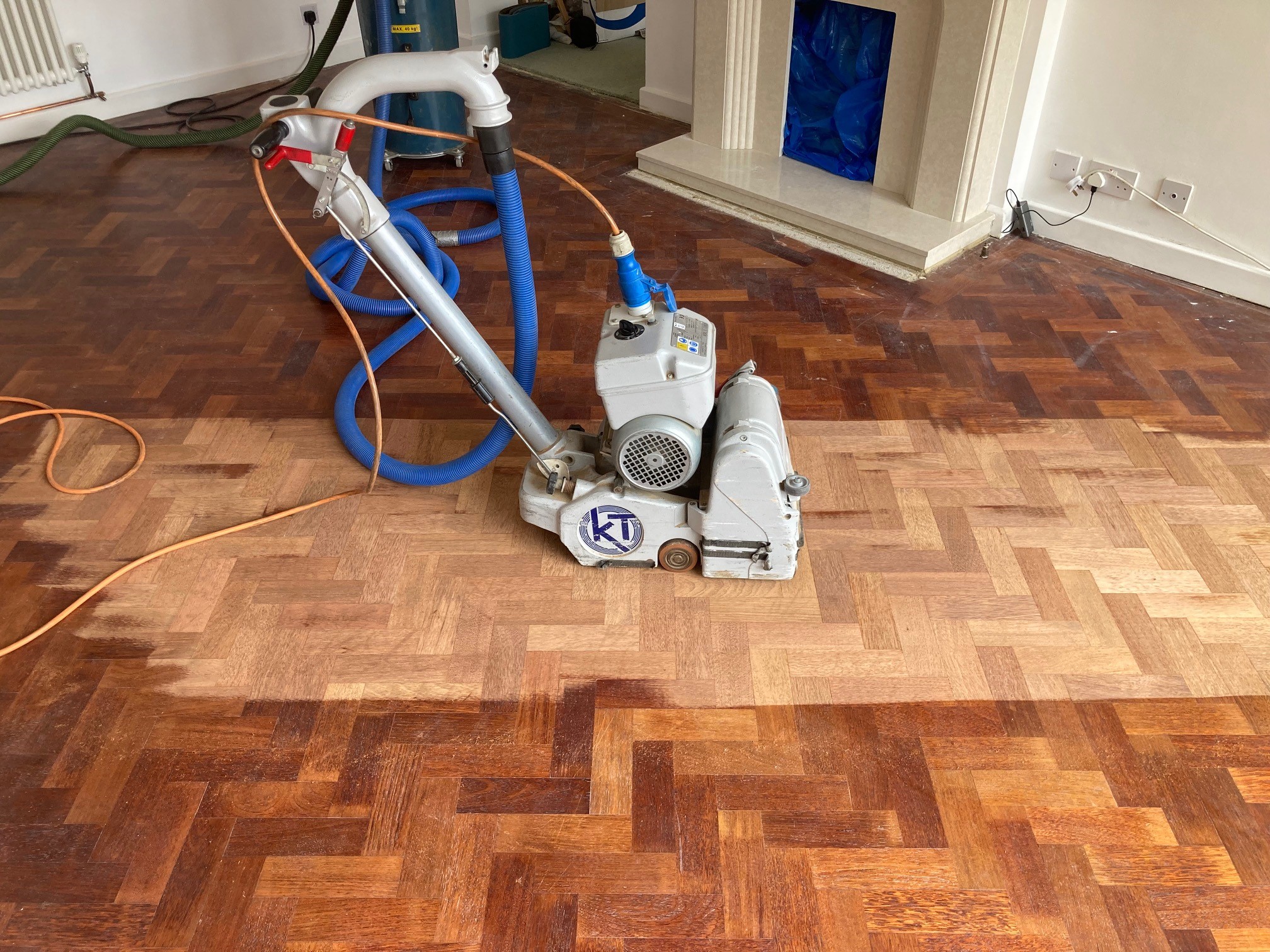
Floor sanding creates dust. That is true whether the work is carried out by an experienced flooring contractor or by someone hiring a machine for the first time, because sanding depends on abrasive paper cutting through old finish and a thin layer of timber. What modern equipment can do is capture the overwhelming majority of that dust before it spreads through the room. That is the principle behind dust-controlled floor sanding. It does not mean a room becomes perfectly sterile, and it should not be sold as a miracle process. It means the sanding machine and extraction system are......
Continue Reading
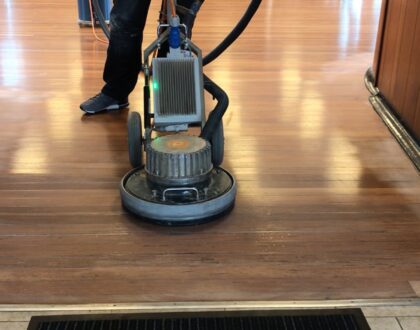
Does My Floor Need Sanding, Repairs, Restoration or Refinishing?
Most homeowners notice the same thing at some point: the wood floor that once looked rich and well cared for starts to look tired. There may be dull patches, light scratches, grey areas where the finish has worn away, loose boards, gaps, or parts of the floor that no longer feel solid underfoot. The immediate question is usually simple: does the floor need sanding, repairs, restoration or refinishing? The honest answer is that the right treatment depends on what has actually failed. Sometimes the surface coating is the only problem. Sometimes the timber underneath has been exposed. Sometimes the...
Continue Reading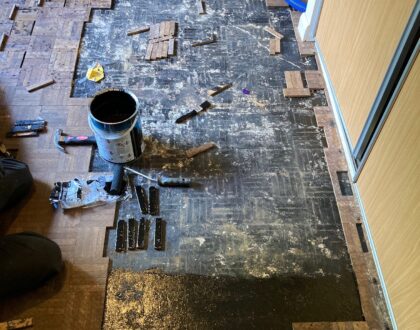
Should Loose Parquet Be Repaired Before Sanding?
Parquet flooring has a distinctive appearance that many homeowners in older properties value. The repeating geometric blocks give a room character, but those individual blocks also need to remain firmly bonded. When parquet becomes loose, the issue is no longer just about how the floor looks; it becomes a stability problem that affects whether sanding can be done safely and successfully. The short answer is yes: loose parquet blocks should normally be repaired before sanding begins. Sanding can remove old finish, scratches and surface wear, but it cannot re-bond a block that has lost its grip on the subfloor....
Continue Reading Why Do Parquet Blocks Become Loose?
Parquet flooring has a distinctive look that many UK homeowners value, especially in older properties where the geometric timber blocks add warmth, pattern and character. When the floor is stable, parquet feels solid underfoot. When individual blocks begin to loosen, the floor can start to sound hollow, click, rock or shift slightly as people walk across it. Loose parquet blocks do not automatically mean the whole floor needs replacing. In many cases, the timber blocks are still sound and the problem lies with the adhesive, the subfloor, moisture exposure or earlier installation. The important step is understanding why...
Continue Reading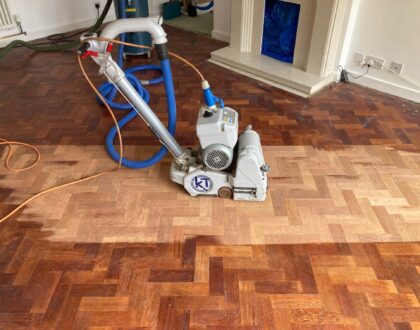
How Many Times Can A Parquet Floor Be Sanded?
If you own a parquet floor, the question of how many times it can be sanded usually comes up when the finish starts to look tired, the scratches become more visible, or someone has warned you that the floor may already have been sanded too many times. It is a sensible question, because parquet can often be restored beautifully, but it cannot be sanded indefinitely. The honest answer is that there is no single number that applies to every parquet floor. Some floors have enough usable timber for another sanding. Others are better suited to lighter refinishing, repair-first restoration,...
Continue Reading