

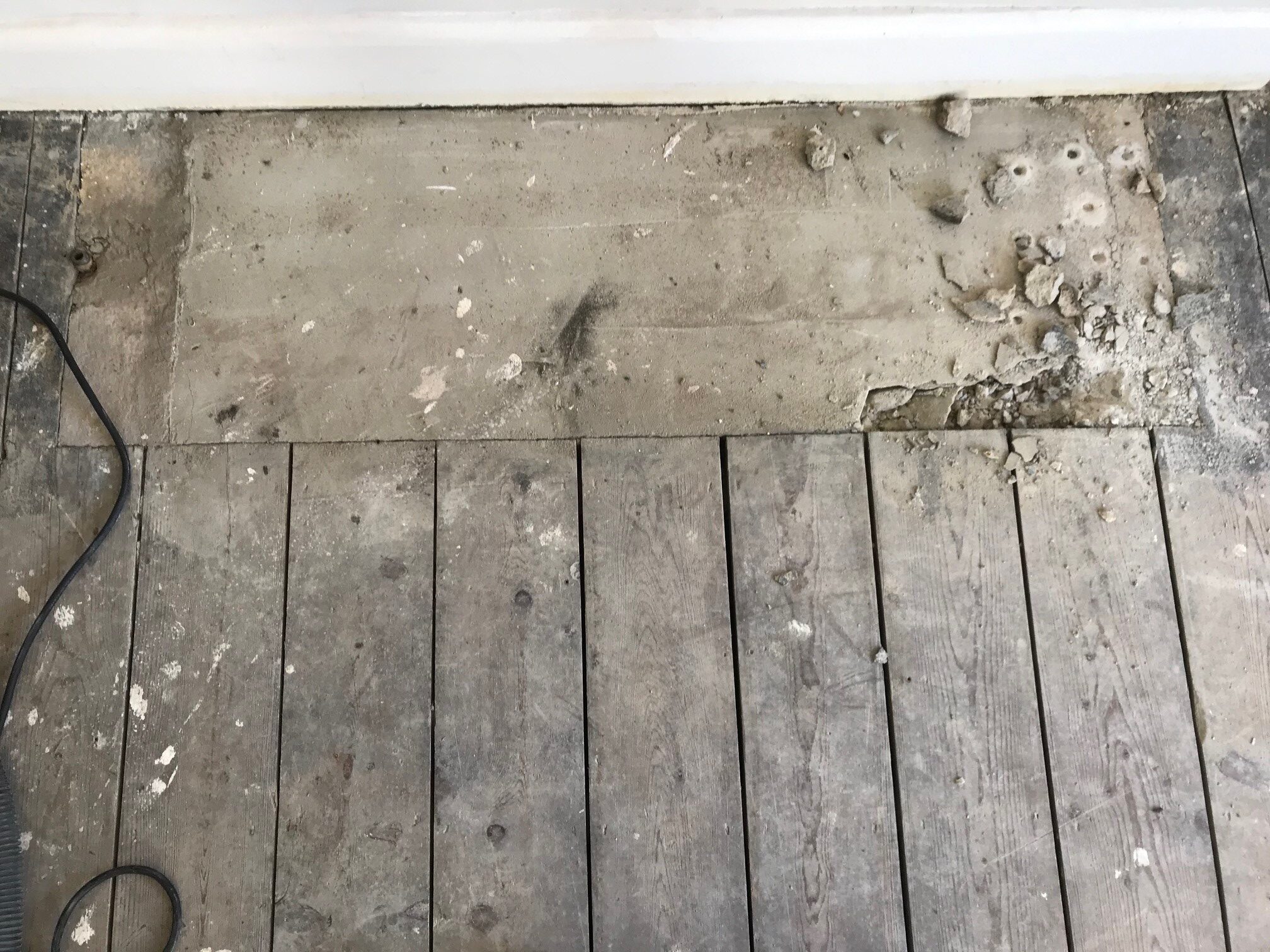
There comes a point in many older homes when the living room floor starts to look beyond saving. The finish has worn away along the main walkway, a dark stain sits near the old fireplace, the boards creak underfoot and a contractor has already suggested replacement. The instinct to keep the original floor is understandable. Original floorboards carry the character and history of a home, and few modern alternatives reproduce that feel convincingly. But a fair question remains: is restoration actually possible, or is replacement the only realistic route? The honest answer is that many old wooden floors can......
Continue Reading
How To Tell If Your Wood Floors Need Restoration
You have cleaned the floor twice this week, and it still looks tired. The finish has worn thin near the back door, there is a dark stain by the window, and a couple of boards move underfoot when you cross the room. If you own an older wooden floor, pine floorboards, parquet flooring or original timber in a period property, you may be wondering whether the answer is a light freshen-up or something more involved. The honest answer is that not every worn-looking floor needs full restoration. Some floors simply need the old finish renewed. Others need repairs before...
Continue Reading
How To Choose The Right Finish For Your Wooden Floors
The sanding is finished. The dust has settled, the old coating has been stripped away, and the bare boards are smooth underfoot. After years of scratches, dull patches and daily wear, the floor looks cleaner and lighter than it has in a long time. One decision remains, and it will shape the look, feel and lifespan of the floor for years to come: which finish should go on top? Homeowners often focus heavily on the sanding itself, and that is understandable. But the finish is what the home lives with every day. It affects how the floor appears in...
Continue Reading
How To Look After Newly Restored Wooden Floors
A newly restored wooden floor is one of the most satisfying improvements a home can receive. The sanding process removes years of wear, the grain reappears with a clarity that was long hidden, and the fresh finish gives the room a clean, even warmth. The question most homeowners ask in the days that follow is simple: how do I keep it looking like this? The answer is a combination of patience in the first weeks, sensible protection, a consistent cleaning routine and realistic expectations about future maintenance. Good aftercare can significantly extend the life of a finish, but no...
Continue Reading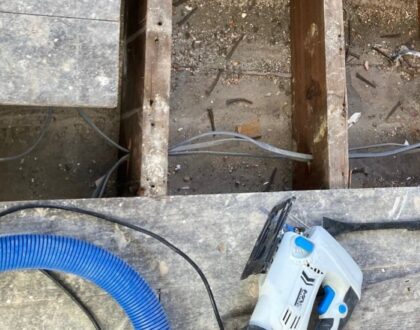
Can Water-Damaged Wooden Floors Be Restored?
Can Water-Damaged Wooden Floors Be Restored? A radiator valve that weeps overnight, a washing machine that leaks beneath kitchen cabinets, a plant pot that sits too long and leaves a dark stain on the boards. These are the everyday accidents that leave homeowners looking at an unfamiliar floor: water marks, cupped planks, raised edges, dull patches, black staining or a musty smell from a floor that was level only weeks earlier. The concern is understandable. A wooden floor is a significant part of a room, and water damage can look severe very quickly. But water damage does not automatically...
Continue Reading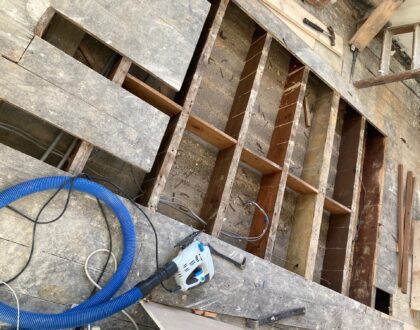
How Are Missing Sections Of Wooden Flooring Repaired?
Pull up the edge of an old carpet in a period home and you may find more than floorboards. There may be a gap where a board should be, a void left by a removed hearth, a section of plywood that was fitted years ago as a quick fix, or several parquet blocks missing from the edge of a room. Missing sections of wooden flooring are common in older properties. They are usually caused by past building work, fireplace alterations, pipework changes, local damage, damp, old woodworm damage, or previous repairs that were never properly finished. The good news...
Continue Reading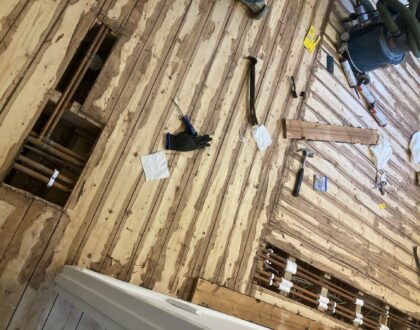
Wood Floor Gap Filling: When to Use Resin, Slivers or Flexible Fillers
Gaps in wood floors are a common frustration for homeowners. They collect dust, can let in draughts, and may make a room feel unfinished. But filling those gaps is not as simple as squeezing in any product from a hardware shop. The right method depends on the size of the gap, the type of wood, whether the floor is still moving, and the result you want to achieve. This guide explains the three main approaches used in wood floor gap filling: resin and dust filling, timber slivers, and flexible fillers. Each has strengths, weaknesses and situations where it should...
Continue Reading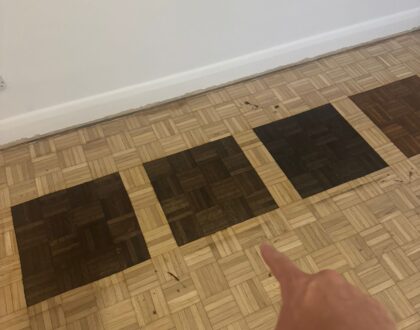
Hardwax Oil vs Lacquer: Which Wood Floor Finish Is Best?
Hardwax Oil vs Lacquer: Which Wood Floor Finish Is Best? Choosing between hardwax oil and lacquer is one of the most important decisions in a wooden floor refinishing project. Both finishes can produce excellent results, but they behave differently once the floor is back in everyday use. The best choice is not simply the finish that looks nicest on a sample board. It depends on how the room is used, how much maintenance you are comfortable with, whether pets or children use the space, the condition of the timber, and whether you want a natural feel or a more protected surface....
Continue Reading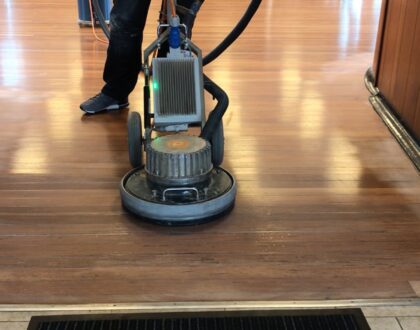
What Is Floor Polishing and When Is It the Right Choice?
Many homeowners use the term floor polishing to describe anything that makes a wooden floor look cleaner, brighter or more even again. In practice, floor polishing can mean several different things depending on the condition of the floor, the type of finish already in place and whether the surface still has enough protection left to work with. Some floors only need a light maintenance polish to improve sheen and reduce the appearance of mild surface wear. Others need a buff and recoat or screen and recoat to refresh the protective finish properly. Floors with deep scratches, exposed timber, failed...
Continue Reading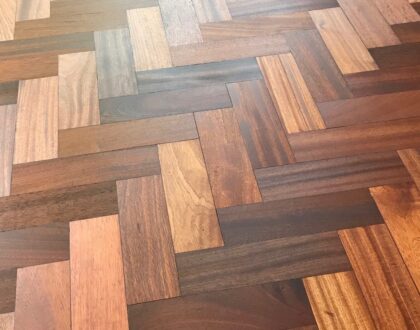
What Is An Oiled Wooden Floor?
If you are researching wood floor finishes, you have probably come across the term oiled wooden floors. It sounds simple, but it can be confusing because not all oiled floors are the same. Some are finished with traditional oils, some with hardwax oil, and some engineered boards are factory-finished with UV-cured oil before they are ever installed. An oiled wooden floor is a real wood floor protected with an oil-based finish rather than a surface coating such as lacquer. The finish is designed to enhance the natural grain, protect the timber, and leave the floor looking and feeling more...
Continue Reading