
What Is An Oiled Wooden Floor?

by Darren Admin
If you are researching wood floor finishes, you have probably come across the term oiled wooden floors. It sounds simple, but it can be confusing because not all oiled floors are the same. Some are finished with traditional oils, some with hardwax oil, and some engineered boards are factory-finished with UV-cured oil before they are ever installed.
An oiled wooden floor is a real wood floor protected with an oil-based finish rather than a surface coating such as lacquer. The finish is designed to enhance the natural grain, protect the timber, and leave the floor looking and feeling more like wood. For many homeowners, this is the main appeal: an oiled floor usually feels warmer, more tactile and less glossy than a lacquered floor.
The trade-off is maintenance. Oiled floors can be easier to repair locally, but they usually need more regular care than lacquered floors. This guide explains how oiled wooden floors work, how they compare with lacquered floors, where they are suitable, and when floor refinishing may be needed to restore or change the finish.
What Is An Oiled Wooden Floor?
An oiled wooden floor is a timber floor that has been treated with a penetrating oil, hardwax oil or oil-based finishing system. Instead of creating a thick plastic-like layer on top of the wood, the oil works into the surface of the timber and helps protect the wood fibres, generally from within, although some oils can behave a bit more like a ‘surface build’ application.
The result is a floor where the grain not only remains visible but is richly enhanced with a more vibrant look and the surface still feels natural underfoot. Depending on the product used, the finish may look very matt, softly satin, lightly enriched or slightly darker than the raw timber.
Oiled floors are common on oak flooring, pine boards, parquet flooring and some engineered wood floors. They are chosen when homeowners want a more natural appearance and are comfortable with a little ongoing maintenance.
What Makes An Oiled Floor Different From Other Floors?
The main difference is how the finish protects the wood. A lacquered floor is protected by a film that sits on top of the timber. An oiled floor is protected by a finish that works into the timber itself. This difference affects the look, feel, durability, repairability and maintenance of the floor.
Oiled floors tend to show the natural grain more clearly. They often have a softer sheen and a more organic appearance. Lacquered floors can be extremely practical, especially in busy homes, but they can feel more sealed and less natural depending on the sheen level and product used.
Neither finish is automatically better. The best choice depends on the room, the timber, your maintenance expectations, and how you want the floor to age over time.
Traditional Floor Oil vs Hardwax Oil
When people talk about oiled floors, they are often referring to different types of finish. The two most common categories are traditional penetrating oils and hardwax oils.
Traditional Floor Oil
Traditional floor oils are designed to penetrate into the timber and enrich its natural colour. They can give a very authentic appearance, but on their own they may offer less resistance to spills, staining and wear than modern hybrid systems.
Traditional oils can suit lower-traffic areas or floors where a very natural finish is the priority, but they generally require careful maintenance. If the surface is neglected, timber can begin to look dry, patchy or more vulnerable to staining.
Hardwax Oil
Hardwax oil combines oils and waxes to create a finish that penetrates the timber while also leaving a protective surface element. It is one of the most popular modern choices for domestic wooden floors because it offers a good balance between natural appearance, practical protection and repairability.
Hardwax oil is often used on oak floors, parquet floors and engineered floors where a matt or satin natural look is preferred. It can usually be maintained with cleaning products and maintenance oils designed for oiled finishes.
How Oil Protects Wooden Flooring
Oil protects wood by working into the open grain and helping to reduce how easily moisture, dirt and everyday marks penetrate the surface. Once cured, the oil strengthens the surface fibres and gives the floor a more resistant finish than bare timber.
It is important not to confuse an oiled floor with an untreated floor. Untreated wood is vulnerable to staining, water marks and dirt. An oiled floor has protection, but that protection behaves differently from lacquer.
Does Oil Sit On The Surface?
Some of the oil works into the timber, while some modern systems also leave a very thin protective surface element. This is especially true of hardwax oil. The finish is still much more natural-looking than a heavy lacquer film, but it is not simply raw wood.
How Deep Does Oil Penetrate?
Oil mainly affects the upper surface of the timber, not the full thickness of the board. This is why oiled floors can be sanded and refinished later, provided there is enough timber or wear layer left to work with.
How Oil Interacts With Wood Fibres
Oil follows the grain and absorbs differently depending on the timber species. Oak, pine and tropical hardwoods all behave differently. This is one reason why test areas matter before changing colour or switching finish systems.
Why Homeowners Choose Oiled Wooden Floors
Homeowners usually choose oiled wooden floors because they want the floor to look and feel as natural as possible. The finish enhances the timber rather than covering it. This can work especially well in period properties, Scandinavian-inspired interiors, rustic homes and rooms where a matt, understated finish is preferred.
Another reason is repairability. If an oiled floor is scratched or worn in one area, it may be possible to clean, lightly abrade and re-oil that section instead of sanding the entire floor. This makes oil attractive for homeowners who want the floor to age naturally and remain serviceable over time.
Oiled floors can also be a good choice when the homeowner wants the option to refresh the floor gradually rather than waiting until the whole surface needs major work.
How Oiled Floors Look Compared To Lacquered Floors
The visual difference between oil and lacquer can be significant. Oiled floors usually look softer and more natural. Lacquered floors tend to look more sealed, especially if a satin or gloss lacquer is used.
Natural Appearance
An oiled floor often shows the character of the timber more clearly. Grain, knots, colour variation and board texture can feel more visible because the finish is not sitting as a thick film over the surface.
Homeowners looking for pale, natural or Scandinavian-style finishes may also want to read about whitewashed wooden floors, as pale oils and washed finishes can create a lighter appearance while keeping the grain visible.
Matt Finishes
Many oiled floors are finished with a matt or ultra-matt appearance. This can help minor marks blend into the timber rather than standing out as clearly as they might on a shinier surface.
Satin Finishes
Some hardwax oils create a gentle satin sheen. This gives a subtle lift to the floor without making the surface look glossy.
Character And Grain Visibility
Oil generally enhances grain visibility. On oak, this can bring out warmth and movement in the boards. On pine, the finish may highlight knots and natural variation. On parquet, it can emphasise the pattern and block direction.
Do Oiled Floors Change Colour Over Time?
Yes, oiled floors can change colour over time. All wooden floors are affected by light, use, cleaning routines and age. Oil can enrich the timber when first applied, and the floor may continue to warm or mellow as it matures.
UV exposure can lighten or darken certain timbers. Rugs and furniture can also create shade differences if parts of the floor are covered for long periods. This is not unique to oiled floors, but the natural finish can make the ageing process more visible.
If colour control is important, sample testing and professional advice are valuable before choosing an oil, stain or tinted finish.
How Durable Are Oiled Wooden Floors?
Oiled wooden floors can be durable, but their durability depends heavily on the product used, the preparation, the timber and the maintenance routine. A well-applied hardwax oil can perform well in normal homes, but it still needs appropriate cleaning and occasional maintenance.
Everyday Foot Traffic
In living rooms, bedrooms and dining rooms, an oiled finish can last well when cleaned correctly. High-traffic routes may start to look dry or dull sooner and may need maintenance oil before the rest of the floor.
Pets
Pets can scratch any wooden floor. On oiled floors, lighter scratches often blend in better than they would on a glossy surface. Deeper claw marks may still need local repair or sanding.
Family Homes
Oiled floors can work in family homes, but spills should be wiped quickly and the floor should not be cleaned with harsh products. A neglected oiled floor may become more prone to staining in busy areas.
Commercial Environments
Oiled floors can be used commercially, but only with realistic maintenance planning. In heavy-use spaces, lacquer may sometimes be the more practical choice unless the owner is prepared to maintain the oil regularly.
How Scratches Behave On Oiled Floors
Scratches on oiled floors behave differently from scratches on lacquered floors. On a lacquered floor, a scratch may break or mark the surface film. On an oiled floor, the scratch usually affects the timber surface and the oil within it.
This means scratches can sometimes be treated locally. Light scuffs may improve with cleaning and maintenance oil. Deeper scratches may need careful local sanding and re-oiling. If the floor has widespread scratches, broader floor refinishing may be more appropriate.
Can Oiled Floors Be Repaired More Easily?
In many cases, yes. Repairability is one of the main advantages of oiled floors.
Spot Repairs
Small worn areas can often be cleaned, lightly abraded and re-oiled. This is useful in doorways, around kitchen work areas and along regular walking routes.
Individual Board Repairs
If a board is damaged, localised repair may be possible. Where movement, splits or damaged timber are involved, floor repairs may be needed before the finish is refreshed.
Localised Touch Ups
Touch-ups are easier on oiled floors than on many lacquered floors, but they still require care. The repaired area must be blended properly so it does not look obviously different from the surrounding floor.
Oiled Floors vs Lacquered Floors
Most homeowners deciding on a finish end up comparing oil with lacquer. The right answer depends on whether you value natural appearance and repairability more than low-maintenance surface protection.
Appearance Comparison
Oil usually looks more natural. Lacquer can look more finished and uniform. Matt lacquers can narrow the visual gap, but oil still tends to feel more tactile.
Durability Comparison
Lacquer often offers stronger initial resistance to spills and surface wear. Hardwax oil offers good protection but needs maintenance to keep performing well.
Maintenance Comparison
Oil needs periodic maintenance. Lacquer usually needs less regular maintenance, but when it fails or wears through, refinishing can be more involved.
Repairability Comparison
Oil is usually easier to repair locally. Lacquer is harder to patch invisibly because the coating is a continuous surface film.
Cost Comparison
The cost comparison depends on product choice, floor size and condition. Oil may require more maintenance over time, but local repairs can sometimes reduce the need for full refinishing.
Comparison Table: Oiled Floors vs Lacquered Floors
| Feature | Oiled Wooden Floors | Lacquered Wooden Floors |
|---|---|---|
| Appearance | Natural, matt or satin, grain remains prominent | More sealed appearance, available in matt, satin or gloss |
| Protection method | Penetrates into the timber surface | Forms a protective film over the timber |
| Repairability | Often suitable for localised repair | Harder to patch invisibly |
| Maintenance | Needs periodic cleaning and re-oiling | Generally lower maintenance between refinishing cycles |
| Suitability | Great for natural interiors and repair-focused ownership | Good for busy homes needing stronger surface protection |
Pros And Cons Of Oiled Wooden Floors
| Advantages | Disadvantages |
|---|---|
| Natural appearance and warm feel | Requires periodic maintenance |
| Local repairs are often possible | Can stain if neglected or cleaned incorrectly |
| Does not chip like a surface film | High-traffic areas may need attention sooner |
| Can enhance grain and timber character | Not always the lowest-maintenance option |
| Can be refreshed without full sanding in some cases | Requires correct cleaning products |
Maintenance Requirements For Oiled Floors
Maintenance is the part of oiled floors that homeowners need to understand clearly. An oiled floor is not difficult to live with, but it does need the right care routine.
Cleaning
Dust, grit and dirt should be removed regularly because they can act like abrasive particles underfoot. A soft broom, vacuum with a suitable wood floor attachment, or dry microfibre mop is usually suitable.
Maintenance Oils
Maintenance oils are used to refresh protection in areas where the floor begins to look dry or worn. They are usually applied thinly after proper cleaning.
Long-Term Care
Long-term care means keeping the finish topped up before the timber becomes exposed. If maintenance is ignored for too long, the floor may need sanding rather than simple re-oiling.
Maintenance Frequency Table
| Floor Area | Typical Attention Needed | What To Watch For |
|---|---|---|
| Bedrooms | Lower maintenance | Dry-looking patches or dullness |
| Living rooms | Moderate maintenance | Wear in regular walking routes |
| Hallways | Higher maintenance | Traffic lanes and dirt build-up |
| Kitchens | Higher maintenance | Spills, food marks and water exposure |
| Commercial areas | Planned maintenance programme | Rapid wear, staining and surface dryness |
How Often Does An Oiled Floor Need Attention?
There is no single fixed schedule because every home is different. A lightly used bedroom may need very little attention for a long time, while a hallway or kitchen may need maintenance much sooner.
Rather than relying only on a calendar, homeowners should look at the floor. If the surface looks dry, absorbs water quickly, feels rougher, or shows visible traffic paths, it may need cleaning and maintenance oil.
Signs An Oiled Floor Needs Maintenance
- The floor looks dry or faded in traffic areas.
- Water no longer beads on the surface.
- The timber feels rougher underfoot.
- Small scratches are becoming more visible.
- The floor looks patchy after cleaning.
- Spills are marking the surface more quickly.
Can You Mop An Oiled Floor?
You can damp clean an oiled wooden floor, but it should not be soaked. Excess water is one of the quickest ways to damage timber flooring. Use a well-wrung mop and products designed for oiled wooden floors.
Steam mops should generally be avoided on oiled floors. Heat and moisture can affect the finish and may encourage timber movement. If in doubt, dry cleaning and specialist wood floor cleaning products are safer.
Products To Avoid On Oiled Floors
- Steam cleaners.
- Bleach-based cleaners.
- Strong degreasers.
- General household detergents that leave residue.
- Silicone polishes.
- Excess water.
- Abrasive pads used aggressively.
Using the wrong product can make an oiled floor sticky, dull or harder to maintain. It can also interfere with future maintenance oil.
Common Mistakes Homeowners Make
Using The Wrong Cleaner
General cleaners are not always suitable for oiled wood. Some remove protection, while others leave residues that attract dirt.
Ignoring Maintenance Coats
An oiled floor should be refreshed before the timber becomes exposed. Waiting until the floor looks badly worn can turn a simple maintenance task into a refinishing project.
Excess Water Exposure
Oiled floors are not bare timber, but they are still wood. Water should be controlled and spills should be wiped promptly.
Aggressive DIY Repairs
Local repairs are possible, but heavy sanding in one small area can leave dips, shade differences or visible patches. Where the damage is more than superficial, professional assessment is usually safer.
Common Myths About Oiled Wooden Floors
Myth: Oiled Floors Have No Protection
Oiled floors do have protection. The protection is simply different from lacquer. Modern hardwax oils can provide a practical finish while retaining a natural look.
Myth: Oiled Floors Need Constant Work
Oiled floors need appropriate maintenance, not constant maintenance. The key is using the right products and dealing with wear before it becomes severe.
Myth: Scratches Mean The Whole Floor Must Be Sanded
One of the benefits of oil is that small scratches and worn areas can often be repaired locally. Full sanding is not always necessary.
Myth: Lacquer Is Always Better For Busy Homes
Lacquer can be excellent in busy homes, but hardwax oil can also perform well when homeowners prefer a natural look and accept the maintenance routine.
Can Existing Floors Be Changed To An Oil Finish?
Yes, many existing wooden floors can be changed to an oil finish, but the existing coating needs to be removed properly. Oil must reach the timber surface. If lacquer, wax or polish remains, oil may not absorb evenly.
Changing From Lacquer To Oil
Changing from lacquer to oil usually requires sanding the floor back to clean timber before oil is applied. This is a typical professional floor sanding and finishing process. If any lacquer remains, the oil can sit unevenly and create patchy results.
Changing From Oil To Lacquer
Changing from oil to lacquer can also be possible, but the oil must be removed or prepared correctly so the lacquer can bond. This is not usually a simple coat-over job and should be approached carefully.
Can Engineered Wood Floors Be Oiled?
Engineered wood floors can often be oiled, provided the top layer is real wood and the product is suitable for the floor. Many engineered boards are supplied pre-oiled or can be finished with oil after sanding.
The important limitation is wear layer thickness. If the floor needs sanding before oiling, there must be enough real wood on top to sand safely. If you are planning a refinishing project, understanding whether engineered wood floors can be sanded more than once is an important step before committing to the work.
Can Parquet Floors Be Oiled?
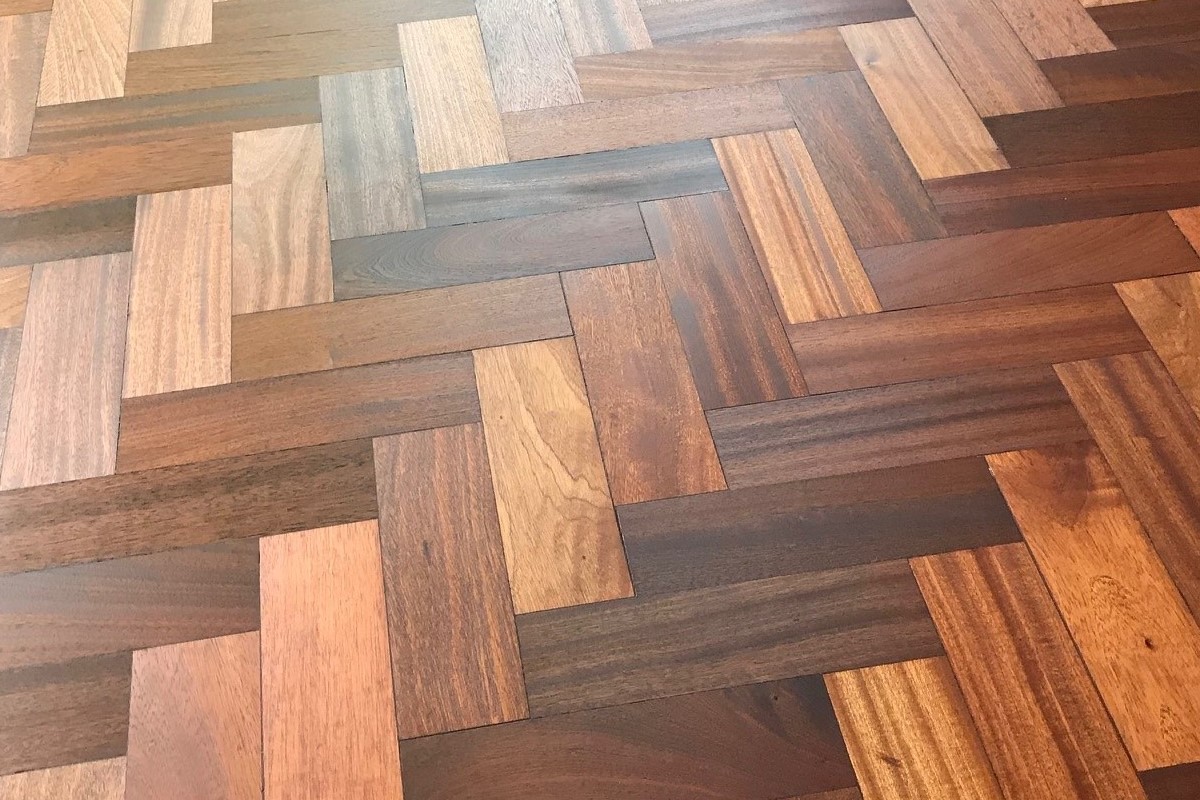
Yes, parquet floors can often be oiled and can look excellent with a natural matt or satin finish. Oil can highlight the block pattern and grain direction, giving parquet a warm and characterful appearance.
Preparation is especially important because parquet blocks run in different directions. Uneven sanding or inconsistent oil application can make the pattern look patchy. For this reason, specialist parquet floor sanding and restoration is usually recommended before applying a new oil finish.
Which Rooms Suit Oiled Floors Best?
| Room | Suitability | Notes |
|---|---|---|
| Living rooms | Excellent | Natural appearance works well in relaxed living spaces |
| Bedrooms | Excellent | Lower traffic means easier maintenance |
| Hallways | Good | Needs closer attention due to traffic and grit |
| Kitchens | Good with care | Hardwax oil is preferable and spills should be wiped quickly |
| Commercial areas | Depends on use | Maintenance planning is essential |
When Might Lacquer Be The Better Choice?
Lacquer may be the better choice when the homeowner wants the lowest-maintenance finish possible, when the room is exposed to heavy wear, or when strong initial spill resistance matters more than local repairability.
Lacquer can also be suitable for rental properties, busy commercial spaces, or homes where regular oil maintenance is unlikely to happen. The downside is that scratches and worn areas can be harder to repair invisibly.
Real World Example: Choosing Between Oil And Lacquer
Imagine a homeowner with an oak floor through a living room and hallway. The living room is lightly used and the homeowner wants a natural matt finish that keeps the floor looking like real oak. The hallway, however, takes daily outdoor grit, shoes and pet traffic.
Oil could work well across both areas if the homeowner is prepared to clean correctly and maintain the hallway more often. A hardwax oil would give a natural appearance and allow local refreshes where the traffic lane appears.
If the homeowner wants the least maintenance possible and is less concerned about local repairability, a matt lacquer may be the better choice. The correct answer depends on lifestyle, not just appearance.
Homeowner Decision Checklist
An oiled wooden floor may be right for you if:
- You prefer a natural matt or satin appearance.
- You want the grain and character of the wood to remain visible.
- You are willing to use the correct cleaning products.
- You are comfortable with periodic maintenance oiling.
- You want the option of localised repairs.
- You dislike the look of glossy surface coatings.
A lacquered finish may be better if:
- You want lower routine maintenance.
- The floor will receive heavy traffic with little upkeep.
- You need stronger initial resistance to spills.
- You prefer a more sealed and uniform appearance.
- You do not want to think about maintenance coats.
Expert Tips Before Choosing An Oiled Finish
- Always test the finish on the actual floor where possible.
- Do not choose oil purely from a product image or sample board.
- Check whether the floor is solid, engineered or parquet before planning sanding.
- Use hardwax oil in busier domestic areas where practical protection matters.
- Do not ignore dry-looking traffic lanes.
- Use floor mats at entrances to reduce grit.
- Keep cleaning simple and product-specific.
When Floor Refinishing Becomes Necessary
Maintenance oil can refresh many oiled floors, but it cannot fix every issue. If the floor has widespread wear, deep scratches, heavy staining, water marks or uneven colour, floor refinishing may be needed.
Refinishing usually involves cleaning, sanding or abrading the surface, removing worn finish, preparing the timber and applying a new oil, hardwax oil or alternative finish. If the floor also has movement, damage or replacement boards, wider wood floor restoration may be the better approach.
Where boards are loose, split or badly damaged, the repair work should usually happen before the final finish is applied. This prevents new oil being applied over underlying problems that still need attention.
Final Thoughts
Oiled wooden floors are popular because they preserve the natural look and feel of timber. They can make oak, pine, parquet and engineered floors feel warm, tactile and characterful. They also offer strong repairability because many marks and worn areas can be treated locally.
The main trade-off is maintenance. An oiled floor needs the right cleaning routine and periodic attention. If that suits how you want to live with your floor, oil can be an excellent finish. If you prefer a more sealed, lower-maintenance surface, lacquer may be more suitable.
The most important decision is not simply oil versus lacquer. It is choosing the finish that suits your floor, your room and your expectations. A well-chosen finish will protect the wood, support the look of the home and make future maintenance more manageable.
Frequently Asked Questions
What is an oiled wooden floor?
An oiled wooden floor is a wood floor treated with an oil-based finish that works into the timber surface rather than forming a thick coating on top. It protects the floor while keeping the appearance natural.
Are oiled wooden floors hard to maintain?
They are not difficult to maintain, but they do need the correct products and occasional maintenance oil. The main mistake is treating them like laminate or using harsh household cleaners.
Do oiled floors scratch easily?
All wooden floors can scratch. Oiled floors can show scratches, but lighter marks often blend in more naturally and can sometimes be treated locally.
Can scratches on oiled floors be repaired?
Yes, many scratches can be improved with cleaning, light abrasion and re-oiling. Deeper damage may require local sanding or broader refinishing.
Can you mop an oiled wooden floor?
You can damp clean an oiled floor with a well-wrung mop and suitable cleaner. Avoid soaking the floor and avoid steam mops.
How often should an oiled floor be re-oiled?
It depends on traffic and use. Bedrooms may need little attention, while hallways and kitchens may need maintenance sooner. Watch for dry, dull or absorbent areas.
Is hardwax oil better than traditional oil?
Hardwax oil is usually more practical for domestic floors because it combines a natural appearance with better surface protection. Traditional oil can look beautiful but may need more careful maintenance.
Can a lacquered floor be changed to an oiled floor?
Yes, but the lacquer normally needs to be sanded away first. Oil must reach the timber surface to absorb properly.
Can engineered wood floors be oiled?
Yes, many engineered wood floors can be oiled, provided the real wood top layer is suitable. If sanding is needed first, the wear layer must be thick enough.
Can parquet flooring be oiled?
Yes, parquet flooring can often be oiled successfully. Careful sanding and even application are important because the blocks run in different grain directions.
Are oiled floors suitable for kitchens?
They can be suitable if a durable hardwax oil is used and spills are wiped promptly. Kitchens usually need more maintenance than bedrooms or living rooms.
When does an oiled floor need professional refinishing?
Professional refinishing may be needed when the floor has widespread wear, deep scratches, stains, water marks, uneven colour or old finish that can no longer be refreshed with maintenance oil.
Recommended Posts
How Does Dust-Controlled Floor Sanding Work?
08/08/2026
Is Parquet Floor Restoration Worth It?
06/08/2026
Testimonial Five
See more of our customer reviews at Checkatrade.com
YOU’RE IN GOOD HANDS




Contact our local carpet cleaners and local floor sanders near you to discover more about a full selection of floor restoration services.
Contact Us