
Professional Floor sanding Service


by admin

Some wooden floors can be improved with maintenance, cleaning or a light recoat. Others have gone beyond that point and need professional floor sanding before the finish can be restored properly.
This project is a good example. The commercial wood floor had already been sanded by another contractor, but the surface was left with visible stop marks, uneven areas and inconsistent finishing across the floor. Once marks like these are left in the timber or trapped beneath the finish, surface maintenance alone will not usually correct the problem.
In cases like this, the floor needs to be assessed properly before deciding whether it can be improved with a lighter refinishing approach or whether a full professional floor sanding service is required. The aim is not just to make the floor look better for a short time. The aim is to create a level, consistent surface that can accept a new protective finish and perform properly in everyday use.
When Professional Floor Sanding Is Needed
Professional floor sanding is usually needed when the existing finish has failed, worn through, been poorly applied, or no longer protects the timber underneath. Once the damage has reached the wood itself, a simple polish or maintenance coat cannot rebuild the surface.
This is often seen in high-traffic commercial spaces, entrance areas, hallways, older domestic floorboards and floors that have previously been sanded too aggressively or finished without enough preparation. The floor may look dull, patchy, grey, scratched or uneven, and in some cases the previous sanding marks only become obvious after a new coat of finish has been applied.
A properly planned sanding service removes the failed surface layers, evens out the timber and prepares the floor for a suitable finish. Where the floor also has movement, gaps, loose boards or damaged sections, floor repairs or restoration work may be needed before sanding can deliver a stable result.
When Sanding Is Better Than Polishing or Recoating
A common mistake is assuming every tired wooden floor only needs polishing. Polishing can improve appearance when the existing finish is still intact, but it cannot remove deep scratches, flatten stop marks, correct uneven sanding, or repair areas where the coating has worn through to bare timber.
A recoat can also be useful, but only if the existing finish is clean, sound and suitable for bonding. If the finish is contaminated, patchy, flaking or already worn away in traffic lanes, applying another coat can seal in the problem rather than solve it. Also one of the worst issues with diy or inexperienced operators applying floor polish is that despite sometimes temporarily appearing refreshed. Once you’ve applied a topical floor polish you’re locked into that cycle of needing to apply more and more to maintain appearance until the point where the polish build up can leave the floor looking hideos and in need of extensive work.
Sanding becomes the better option when the surface needs to be reset. That means removing the old finish, correcting uneven areas where possible and preparing the timber so that the new finish bonds evenly. This is where sanding sits above maintenance in the decision ladder: it is more involved, but it addresses problems that lighter treatments cannot correct.
What Causes Floors to Reach This Stage
Floors normally reach the point of sanding because the protective finish has stopped doing its job. In commercial areas this can happen through heavy foot traffic, frequent cleaning, grit being walked across the surface, inappropriate buildd up of diy floor polish or long gaps between maintenance coats. In homes it can be caused by furniture movement, pets, heels, spills, sunlight, or simply years of wear.
Poor previous workmanship can also bring a floor back to sanding stage sooner than expected. Stop marks, heavy sanding lines, uneven edging, incompatible finishes and rushed coating can all leave the floor looking inconsistent even after work has been completed.
Once damage has gone through the finish and into the timber, the floor usually needs more than a surface refresh. At that point, the question becomes whether sanding alone is enough or whether the job should be treated as part of a wider wood floor restoration project.
Why Dust-Controlled Sanding Matters
Modern dust-controlled sanding systems help keep the work cleaner and more controlled than traditional sanding methods. This is especially important in occupied homes, commercial buildings and spaces where disruption needs to be kept as low as possible.
Professional extraction and H-class filtration help reduce fine airborne dust during the sanding process. No sanding system should be treated as completely dust-free, and are usually branded as 99%+ dust-free, but good extraction makes a significant difference to cleanliness, working conditions and finish quality.
Dust control also affects the final result. Less airborne dust means fewer particles settling into fresh coats, which helps the finish bond and cure more cleanly. For a professional result, dust control is not just about tidiness. It is part of the overall quality system.
What the Sanding Process Should Achieve
The purpose of sanding is not simply to remove the old coating. A good floor sanding process should produce an even, consistent surface that is ready for finishing. This normally involves several sanding stages, edge work, detailed preparation and final smoothing before any finish is applied.
The process should remove failed finish, reduce visible imperfections where possible, and prepare the timber so the new finish can bond correctly. It should also reveal whether further issues need attention, such as loose boards, damaged sections, gaps or areas previously over-sanded.
This is why assessment matters before work begins. Some floors require repairs first. Some need full restoration. Some may be suitable for a lighter floor refinishing option instead. The right decision depends on the condition of the floor, not just the appearance from a distance.
Finishing Options After Sanding
Once sanding is complete, the finish determines how the floor will look, feel and perform. Common options include lacquer systems for durability, oil finishes for a more natural appearance, and colour or stain systems where a change of tone is required.
For commercial floors, durability and maintenance planning are usually the priority. For domestic floors, appearance, sheen level, colour and ongoing care often play a larger role. Matt, satin and higher-sheen finishes can all create different effects, but the right choice depends on the timber, the use of the room and the level of future wear expected.
This is where floor sanding connects closely with refinishing. Sanding prepares the timber. Refinishing protects it and creates the final appearance. Choosing the wrong finish can shorten the life of the work, while selecting the right system can make the floor easier to maintain long term.
How to Avoid Needing Full Sanding Too Soon Again
After a floor has been sanded and refinished, maintenance becomes important. Regular cleaning with suitable products, avoiding excess moisture, using entrance mats and planning maintenance coats when appropriate can all help extend the life of the finish.
The key is to act before the protective coating has completely worn through. If the finish is still intact, lighter maintenance or refinishing may be enough. Once bare timber is exposed, dirt and wear begin to affect the wood itself, and full sanding becomes more likely.
For this reason, the best long-term approach is not to wait until the floor looks severely damaged. A well-timed wooden floor maintenance plan can delay full restoration, reduce disruption and protect the investment already made in the floor.
Key Takeaway from This Project
This project shows why professional assessment matters. The issue was not simply that the floor looked worn. The problem was that the previous sanding and finishing had left visible defects across the surface. Once those defects were part of the finish system, they could not be corrected properly with cleaning or polishing alone.
The lesson for homeowners and commercial property owners is simple: not every floor needs full sanding, but when the finish has failed, the timber is marked, or previous work has left uneven results, sanding is often the correct route back to a consistent finish.
Where the floor has deeper damage, instability or repair issues, sanding should be considered as part of a wider restoration process rather than a standalone cosmetic treatment.
Need Advice on a Worn or Poorly Finished Wooden Floor?
If a wooden floor has visible wear, stop marks, failed finish or damage that cleaning will not improve, the best starting point is a proper assessment. Sometimes a floor can be refreshed with lighter refinishing work. Sometimes repairs or restoration are needed first. In other cases, full professional sanding is the most reliable option.
5 Star Floor Care provides professional floor sanding, wood floor restoration, floor repairs and refinishing for domestic and commercial floors, using dust-controlled systems and appropriate finishing products for the condition of the floor.
Find out more about our professional floor sanding, explore wood floor restoration, or see when floor refinishing may be a lighter option.
Recommended Posts
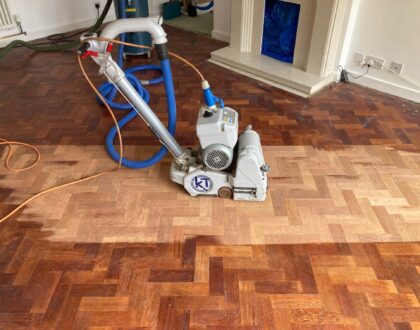
How Does Dust-Controlled Floor Sanding Work?
08/08/2026
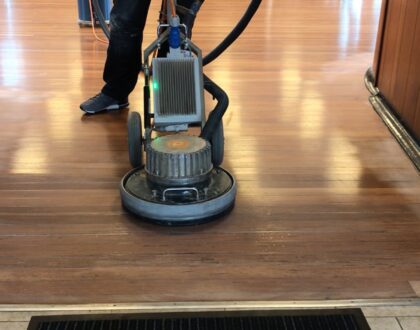
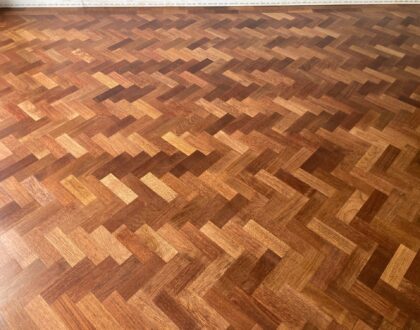
Is Parquet Floor Restoration Worth It?
06/08/2026
Testimonial Five
See more of our customer reviews at Checkatrade.com
YOU’RE IN GOOD HANDS






Contact our local carpet cleaners and local floor sanders near you to discover more about a full selection of floor restoration services.
Contact Us