
What Is Floor Polishing and When Is It the Right Choice?
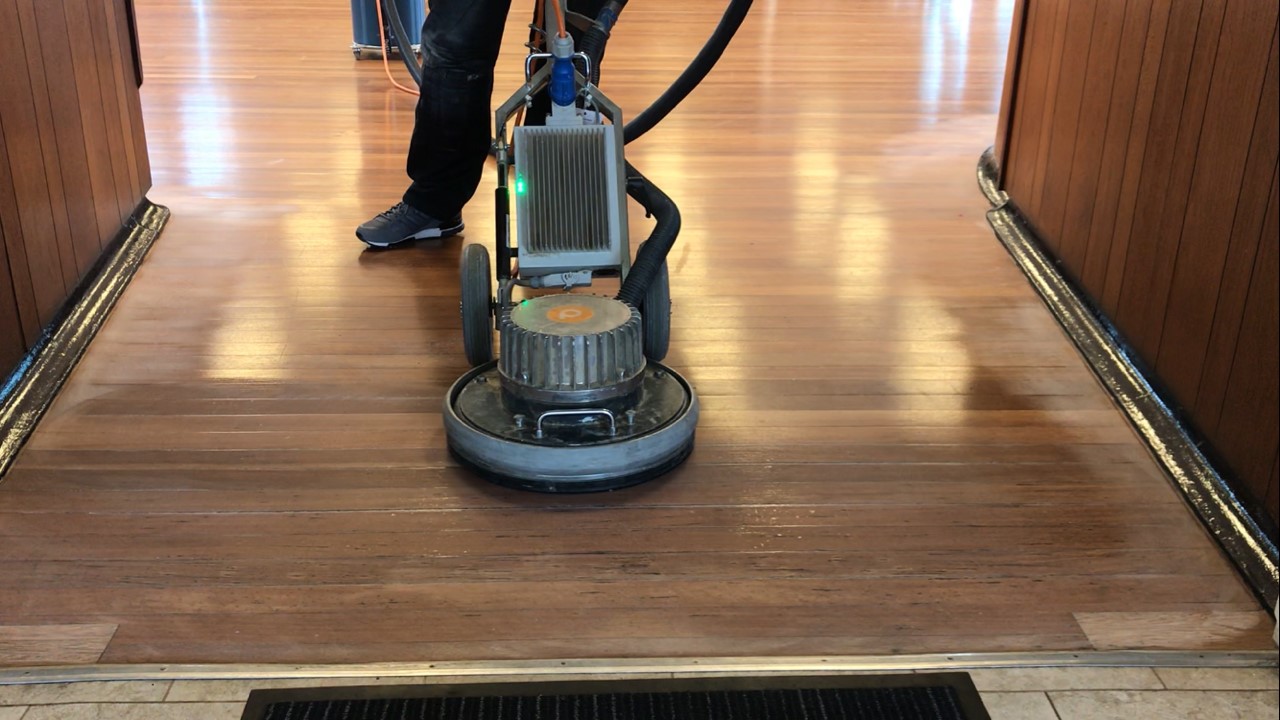

by Darren Admin
Many homeowners use the term floor polishing to describe anything that makes a wooden floor look cleaner, brighter or more even again. In practice, floor polishing can mean several different things depending on the condition of the floor, the type of finish already in place and whether the surface still has enough protection left to work with.
Some floors only need a light maintenance polish to improve sheen and reduce the appearance of mild surface wear. Others need a buff and recoat or screen and recoat to refresh the protective finish properly. Floors with deep scratches, exposed timber, failed finishes or water damage usually need a more complete floor refinishing or floor sanding approach instead.
This guide explains what floor polishing can and cannot do, how it differs from buffing, recoating, sanding and refinishing, and how to decide which treatment is most suitable for your wooden floor.
What Is Floor Polishing?
Floor polishing is a light maintenance treatment designed to improve the appearance of an existing floor finish. It works on the surface coating rather than the timber itself. The aim is to restore clarity, improve sheen and add a small amount of surface protection where the existing finish is still sound enough to accept it.
On wooden floors, polishing is best understood as a maintenance refresh. It is not the same as sanding, and it is not the same as full refinishing. It does not remove the old coating, flatten the timber, repair damaged boards or change the colour of the floor. It can make a reasonably healthy floor look better, but it cannot rescue a finish that has already failed.
This is where many homeowners get caught out. A floor can look dull for several different reasons. Sometimes dullness is caused by light surface wear or cleaning residue. In those cases, polishing or maintenance recoating may be useful. But dullness can also be a sign that the protective finish has worn through, especially in hallways, kitchens, doorways and other high-traffic areas. When timber is exposed, polishing alone is unlikely to provide a lasting result.
Why Floor Polishing Is Often Misunderstood
The phrase floor polishing is used loosely. One homeowner may mean a simple shine-restoring treatment. Another may be asking about buffing, recoating, screening or refinishing. A cleaner may use the phrase differently from a wood floor specialist. Product labels may also use polishing language for maintenance products that are not suitable for every type of floor.
For wooden floors, the important question is not whether the floor can be polished in theory. The important question is what condition the existing finish is in. A floor with light surface dullness is very different from a floor with grey exposed timber, deep scratches or worn-through traffic lanes.
That is why a professional assessment normally starts with the condition of the finish, not the wording used to describe the service. A lightly worn lacquered floor may be suitable for polishing, buffing or a maintenance recoat. An oiled floor may need maintenance oil rather than polish. A heavily worn floor may need sanding and a new finishing system.
What Homeowners Mean When They Ask For Floor Polishing
One of the biggest opportunities in this topic is understanding the different services hidden behind the phrase floor polishing. Homeowners often search for polishing because they know the floor looks tired, but they are not sure whether it needs polishing, recoating, refinishing or sanding.
Floor Polishing
Traditional floor polishing is the lightest option. It is mainly used to improve appearance where the existing finish is still intact. It may help with light surface dullness, mild scuffs and a loss of sheen. It is not designed to remove scratches from the timber or rebuild a failed coating.
Buff And Recoat
A buff and recoat is a step up from simple polishing. The existing finish is lightly prepared before a fresh protective coat is applied. This can be suitable where the finish is still generally sound but has lost some clarity, sheen or protection through normal use.
In practical terms, a buff and recoat sits inside the wider floor refinishing family. It is useful where the floor does not need to be stripped back fully, but does need more than a cosmetic polish.
Screen And Recoat
A screen and recoat is another maintenance refinishing method. The existing coating is lightly abraded or screened so that a new finish can bond properly. Unlike full sanding, the purpose is not to remove a layer of timber. The purpose is to refresh and renew the surface coating while the floor is still in a maintainable condition.
This can be a good option for lacquered wooden floors where wear is visible but has not gone too far. If the finish has worn through to bare wood, screening and recoating may no longer be enough.
Scrub And Recoat
A scrub and recoat is another phrase used for maintenance recoating. It usually describes cleaning and preparing a compatible existing finish before applying a new coat. The success of this process depends heavily on what is already on the floor. Contamination from waxes, oils, unsuitable cleaners or previous coatings can affect adhesion.
Floor Refinishing
Floor refinishing is the broader service category. It includes maintenance recoats in lighter cases, but it can also involve more detailed preparation and a new finish system where the existing coating is no longer performing properly.
Floor Sanding
Floor sanding becomes necessary when surface maintenance is no longer enough. If scratches, stains or wear have gone into the timber, sanding is normally required to remove damage and prepare the floor for a new finish.
Floor Polishing vs Buff And Recoat vs Screen And Recoat vs Floor Sanding
| Treatment | Best For | What It Can Improve | What It Cannot Fix |
|---|---|---|---|
| Floor polishing | Light surface dullness and minor scuffs | Sheen, clarity and the appearance of very light wear | Deep scratches, worn-through finish or exposed timber |
| Buff and recoat | Sound existing finishes that need renewed protection | Surface durability, appearance and protection | Timber damage, heavy staining or structural movement |
| Screen and recoat | Moderately worn lacquered finishes that are still intact | Bonding of a new topcoat and extension of finish life | Failed finishes, bare wood or deep gouges |
| Floor refinishing | Worn or tired finishes that need a fuller renewal | Appearance, protection, sheen and finish consistency | Major board movement or repairs on its own |
| Floor sanding | Heavily worn or damaged wooden floors | Old finish removal, surface correction and preparation for a new finish | Underlying subfloor problems without repair work |
What Floor Polishing Can Improve
Floor polishing can be useful when the floor is generally healthy but has started to look tired. It may improve the way light reflects from the surface, reduce the visual impact of tiny surface marks and give the floor a fresher appearance.
It can also help extend the life of a compatible existing finish when used at the right stage. The key phrase there is at the right stage. Polishing works best before the finish has broken down. Once bare timber is visible, the floor has moved beyond cosmetic maintenance.
Polishing may be suitable for:
- light surface dullness
- minor scuffs in the existing finish
- loss of sheen on a lacquered floor
- a floor that still has an intact protective coating
- rooms where the floor looks tired but not damaged
What Floor Polishing Cannot Fix
Polishing has clear limits. It cannot repair physical damage in the timber, replace missing finish, level uneven boards or correct moisture-related problems. It is a surface maintenance treatment, not a repair or restoration process.
Floor polishing will not properly fix:
- deep scratches that go through the finish
- bare timber in traffic lanes
- grey or blackened wood
- water marks that have penetrated the timber
- cupping, warping or movement
- loose boards or unstable parquet blocks
- failed finish that is peeling, flaking or contaminated
- floors that need a colour change
Where these issues are present, the floor may need wider wood floor restoration, targeted floor repairs or a full sanding and refinishing process.
When Floor Polishing May Be The Right Choice
Floor polishing may be the right choice when the existing finish is in good condition but has lost some brightness through normal use. This is common in living rooms, bedrooms and lightly used areas where the surface has not been heavily damaged.
Polishing may be worth considering if:
- the floor is dull but not deeply scratched
- there is no exposed bare timber
- the finish still feels continuous across the floor
- the main issue is cosmetic rather than structural
- no major colour change is required
- the floor is compatible with a maintenance polish or recoat system
This type of treatment is especially useful when the goal is to maintain a floor rather than transform it. A well-timed maintenance treatment can sometimes delay the need for more involved work.
When Polishing Is Not Enough
Polishing is not enough when the floor has moved beyond surface wear. High-traffic areas often reveal this first. A hallway, kitchen or doorway may show grey timber, dull patches that will not clean, or worn paths where the finish has disappeared.
Once the protective coating has worn through, moisture and dirt can move into the timber more easily. In that situation, polishing over the top may create temporary shine, but it will not rebuild the damaged finish properly.
Polishing is unlikely to be suitable if:
- scratches catch under a fingernail
- the floor has visible bare or grey timber
- there are water marks or black staining
- the finish is flaking, peeling or patchy
- the floor feels rough in worn areas
- boards are loose, gappy or moving
- the floor needs to be stained a different colour
In these cases, a stronger refinishing or sanding process is usually more realistic.
Floor Polishing vs Floor Refinishing
Floor polishing is normally a light surface refresh. Floor refinishing is broader and more protective. Refinishing may include a maintenance recoat, a screen and recoat, or a more involved preparation and finishing process depending on the condition of the floor.
The difference matters because a floor can look better after polishing while still lacking enough real protection. If the finish is already too worn, a polish may sit unevenly, fail to bond correctly or highlight patchy areas. A refinishing approach focuses on renewing the protective system more properly.
As a simple guide, polishing improves the look of a finish. Refinishing renews or replaces the finish.
Floor Polishing vs Floor Sanding
Floor sanding is much more involved than polishing. Sanding removes the old finish and a very small amount of timber from the surface. This allows scratches, stains, uneven wear and old coatings to be corrected before a new finish is applied.
Polishing does not remove the old finish. It works with what is already there. That is why polishing is less disruptive but also much more limited.
If the damage is only in the surface coating, polishing or recoating may be suitable. If the damage has gone into the wood, sanding is usually needed.
Can Lacquered Wooden Floors Be Polished?
Lacquered wooden floors are often the most suitable candidates for polishing, buffing or recoating, provided the lacquer is still intact. Lacquer forms a protective film on top of the wood, so light wear can sometimes be improved without taking the floor back to bare timber.
However, compatibility is important. The existing finish must be clean, stable and suitable for the product or coating being applied. If the lacquer is contaminated with wax, oil, silicone-based cleaners or previous unsuitable products, a maintenance treatment may fail.
Where a lacquered floor has only light dullness, polishing may be enough. Where the lacquer has worn thin but is still present, a buff and recoat or screen and recoat may be a better option. Where the lacquer has worn through to the timber, sanding is usually required.
Can Oiled Wooden Floors Be Polished?
Oiled wooden floors behave differently from lacquered floors. Oil penetrates the timber rather than forming the same type of surface film. Because of that, standard floor polishes are often unsuitable for oiled floors and may leave patchy, cloudy or poorly bonded results.
An oiled floor normally needs maintenance oil, oil refresher or a compatible oil-based maintenance system rather than a standard polish. If an oiled floor looks dry, dull or patchy, the question is usually whether it needs cleaning and re-oiling rather than polishing.
If you are unsure whether your floor is oiled or lacquered, it is worth checking before any treatment is applied. Our guide to the guide to oiled wooden floors should be linked here once the final live URL is confirmed.
Can Parquet Floors Be Polished?
Parquet floors can sometimes be polished or recoated, but they need careful assessment. Because parquet is made from individual blocks, issues such as loose blocks, old adhesive failure, movement or unevenness can affect whether a light maintenance treatment is suitable.
If the parquet is stable and the finish is still intact, polishing or recoating may be possible. If blocks are loose, the floor is uneven or the finish has failed, specialist parquet floor sanding and restoration may be required instead.
Parquet also shows finish inconsistencies more clearly than some straight-board floors because the grain direction changes across the pattern. That makes preparation and finish compatibility especially important.
Can Engineered Wood Floors Be Polished?
Engineered wood floors can sometimes be polished or recoated when the existing finish is sound. In fact, maintenance treatments can be useful because engineered floors have a limited real wood wear layer, so avoiding unnecessary sanding is often sensible.
The main issue is condition. If the finish is intact, a maintenance approach may help prolong the life of the surface. If damage has gone through the finish into the wear layer, the available correction options depend on the thickness of that top layer and the floor’s previous sanding history.
With engineered flooring, assessment matters because there may be less margin for error than with solid wood.
Can Polishing Change The Colour Of A Wooden Floor?
No. Polishing does not properly change the colour of a wooden floor. It may make the floor look slightly richer, cleaner or glossier by changing how light reflects from the surface, but it will not turn a dark floor light or create a new stain colour.
If the aim is to change the colour, the floor usually needs sanding back and then staining or finishing with a suitable coloured system. A separate guide to changing the colour of wooden floors should be linked here once the final live URL is confirmed, as colour change depends on timber type, preparation and finish selection.
Light effects such as whitewashed or limed floors also need proper preparation and compatible finishing systems. For more detail, see our guide to whitewashed wooden floors.
Common Problems Floor Polishing Cannot Solve
Deep Scratches
Polishing can reduce the appearance of very fine surface marks, but it cannot remove deep scratches that cut through the finish into the wood. Those scratches usually need sanding or more targeted restoration.
Grey Timber
Grey timber usually means the protective finish has worn away and the wood has been exposed to dirt, moisture and wear. Polishing over grey timber will not restore the floor properly.
Water Damage
Water marks, black staining and swelling are not polishing problems. They often require sanding, repair or restoration depending on how far the damage has travelled into the floor.
Loose Boards Or Blocks
If a floor moves underfoot, polishing will not stabilise it. Movement should be assessed before any surface finish is applied.
Failed Finish
If the old finish is peeling, flaking, contaminated or patchy, a new polish may not bond properly. In these cases, refinishing or sanding is usually more reliable.
Common Mistakes Homeowners Make With Floor Polishing
The most common mistake is expecting polishing to do the job of sanding. Polishing is not designed to remove timber damage. It can only work with the condition of the existing finish.
Other mistakes include:
- applying polish to an oiled floor without checking compatibility
- trying to hide deep scratches with a surface product
- polishing over dirty or contaminated finishes
- using generic cleaning products that leave residues
- waiting until the finish has completely worn through before maintaining it
- expecting a colour change from a maintenance polish
- choosing gloss level before checking whether the floor is suitable
Good maintenance is about timing. A floor that is maintained before the finish fails is much easier to refresh than one that has already deteriorated deeply.
Myths About Floor Polishing
Myth: Polishing Fixes All Wooden Floor Problems
Reality: polishing only helps when the existing finish is suitable and damage is light. It cannot repair structural problems or timber damage.
Myth: A Shiny Floor Is Always A Healthy Floor
Reality: shine does not automatically mean the floor is protected. A poorly chosen polish can create surface shine while the underlying finish remains weak.
Myth: Polishing Is The Same As Refinishing
Reality: polishing is a light maintenance option. Refinishing is a broader process that renews the protective finish more fully.
Myth: Sanding Is Always Needed
Reality: some floors can be maintained without full sanding if the finish is still sound. The key is assessing the floor before the wear goes too far.
Real-World Example: Polishing, Recoating Or Sanding?
Imagine an oak floor in a home where the living room looks dull but the finish is still intact. There are a few light scuffs, but no deep scratches, no grey timber and no water marks. In this case, polishing or a light maintenance recoat may be enough to improve the appearance and extend the life of the finish.
Now imagine the hallway in the same property. The surface is grey in the main walkway, the finish has worn through near the front door and there are darker marks where moisture has entered the timber. That area is unlikely to respond properly to polishing. It may need refinishing or sanding so the damaged surface can be corrected before a new finish is applied.
This is why one property can need different treatments in different rooms. The right answer depends on floor condition, not just the name of the service.
How Professional Assessment Helps
A professional assessment helps identify whether the floor is suitable for polishing, buffing, screening, recoating, refinishing or sanding. The decision usually depends on several factors, including the existing finish, the type of timber, the amount of wear and whether any contamination or repair issues are present.
Assessment is especially important with oiled floors, engineered floors, parquet floors and older boards. These floors can all respond well to the right treatment, but the wrong treatment can create patchy results or reduce the quality of the final finish.
A good assessment should answer three practical questions:
- Is the existing finish still intact enough to maintain?
- Has damage gone through the finish into the timber?
- Will a light treatment provide a durable result, or is deeper work needed?
When Floor Refinishing Becomes Necessary
Floor refinishing becomes necessary when polishing alone will not provide enough protection or consistency. This may happen when the existing finish has become patchy, worn thin or uneven across the floor.
Refinishing can restore a more consistent finish, improve protection and help the floor perform better over time. Depending on the condition, this may mean a recoat, a screen and recoat, or more detailed preparation before applying a new finishing system.
If the floor is badly worn, damaged or contaminated, refinishing may need to be combined with sanding. The aim is not simply to make the floor shine. The aim is to create a finish that protects the wood properly.
Homeowner Decision Checklist
Use this checklist as a simple guide before deciding whether polishing is likely to be enough.
- If the floor is dull but smooth, polishing or recoating may be suitable.
- If the finish is intact but tired, a buff and recoat may be suitable.
- If the existing coating needs better preparation, a screen and recoat may be suitable.
- If the finish is patchy or worn through, floor refinishing may be needed.
- If the wood itself is scratched, stained or grey, floor sanding is likely to be needed.
- If boards move or blocks are loose, repairs should be assessed before finishing.
- If the floor is oiled, do not assume standard polish is suitable.
- If a colour change is required, polishing is not the right treatment.
Frequently Asked Questions
What is floor polishing?
Floor polishing is a light surface maintenance treatment that improves the appearance of an existing finish. It can help restore sheen and reduce the appearance of light surface wear, but it does not remove deep scratches or repair damaged timber.
Is floor polishing the same as floor sanding?
No. Floor sanding removes the old finish and prepares the timber for a new finishing system. Floor polishing works on the existing surface finish and is much lighter.
Is floor polishing the same as floor refinishing?
No. Floor polishing is one light maintenance option. Floor refinishing is a broader process that can include recoating, screen and recoat work, or fuller finish renewal depending on floor condition.
Does floor polishing remove scratches?
Polishing can reduce the appearance of very fine surface scratches in the finish. It will not remove scratches that go through the finish into the wood.
Can wooden floors be polished instead of sanded?
Sometimes, but only when the existing finish is still sound and the floor has light surface wear. If damage has gone into the timber, sanding is usually required.
Can oiled wooden floors be polished?
Standard floor polish is usually not suitable for oiled wooden floors. Oiled floors normally require compatible maintenance oil or oil refresher products rather than polish designed for lacquered surfaces.
Can lacquered wooden floors be polished?
Lacquered floors can often be polished, buffed or recoated if the lacquer is still intact and compatible with the treatment being applied.
What is a buff and recoat?
A buff and recoat is a maintenance refinishing method where the existing finish is prepared and a fresh protective coat is applied. It is more protective than simple polishing but less invasive than full sanding.
What is a screen and recoat?
A screen and recoat lightly abrades the existing coating so a new topcoat can bond properly. It is suitable only when the existing finish is still in good enough condition.
Can polishing change the colour of a wooden floor?
No. Polishing may alter sheen slightly, but it does not properly change floor colour. Colour changes usually require sanding and staining or a compatible coloured finish system.
Is polishing suitable for parquet floors?
It can be suitable if the parquet is stable and the finish is intact. Loose blocks, failed adhesive or worn-through finishes usually require more specialist work.
How do I know whether my floor needs polishing, recoating or sanding?
Check whether the finish is still intact. If the floor is only dull, polishing or recoating may be enough. If bare wood, deep scratches, stains or movement are present, sanding, repairs or restoration may be needed.
Related Floor Refinishing Guides
Final Thoughts
Floor polishing can be an excellent maintenance option when the existing finish is still in good condition. It can improve appearance, restore some clarity and help extend the useful life of a wooden floor without the disruption of major restoration work.
However, polishing is only one part of the wider maintenance and refinishing spectrum. Depending on condition, a floor may need a buff and recoat, screen and recoat, full floor refinishing or professional floor sanding.
The right choice depends on what the floor actually needs. A lightly worn finish may respond well to maintenance. Exposed timber, failed finish, deep scratching, water damage or movement usually requires a more complete approach. Assessing the floor properly before choosing a treatment is the best way to protect the timber and avoid spending money on the wrong solution.
Recommended Posts
How Does Dust-Controlled Floor Sanding Work?
08/08/2026
Is Parquet Floor Restoration Worth It?
06/08/2026
Testimonial Five
See more of our customer reviews at Checkatrade.com
YOU’RE IN GOOD HANDS






Contact our local carpet cleaners and local floor sanders near you to discover more about a full selection of floor restoration services.
Contact Us