
Parquet Floor Sanding Mistakes That Ruin the Pattern | What To Avoid

by Darren Admin
Parquet Floor Sanding Mistakes That Ruin the Pattern
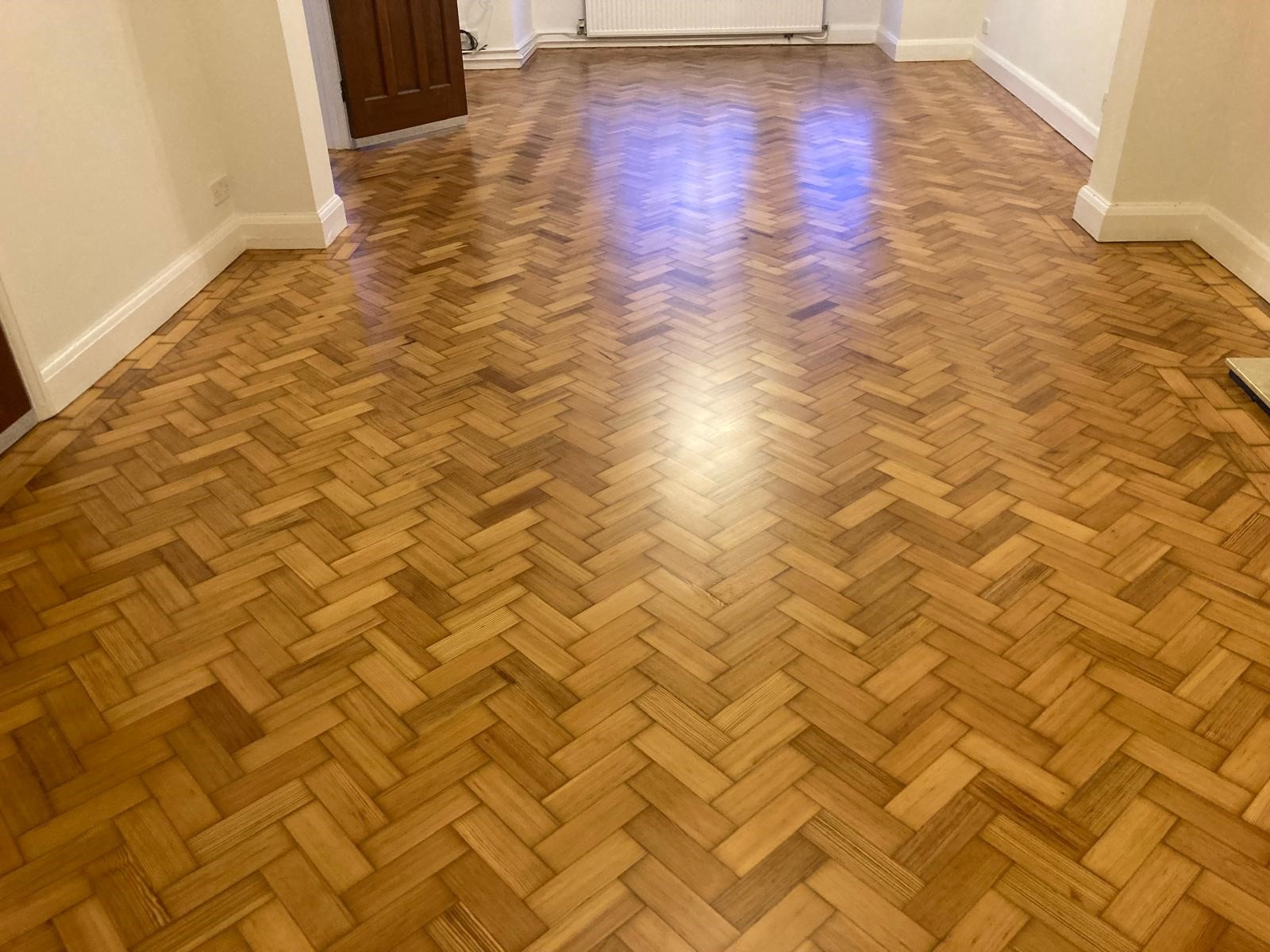
Parquet flooring can look exceptional when restored properly, but it is also one of the easiest floor types to damage if the sanding process is not carried out correctly.
Because parquet floors are made up of individual blocks laid in patterns, each with different grain directions, even small mistakes can quickly affect how the overall design looks. In many cases, once the pattern is damaged, correcting it is not straightforward.
Understanding the most common parquet sanding mistakes can help avoid permanent damage and ensure the floor retains its original character.
Why Parquet Floor Mistakes Are Easy to Make
Parquet behaves very differently from standard floorboards. With straight boards, sanding follows one consistent grain direction. With parquet, the grain changes across each block, which means the sanding process must be controlled much more carefully.
Mistakes often happen when parquet is treated like a standard floor, resulting in:
- uneven sanding across the surface
- visible scratch patterns running in the wrong direction
- loss of sharp pattern definition
- inconsistent finish across individual blocks
This is why parquet floor sanding requires a more controlled approach than standard sanding work.
Common Parquet Sanding Mistakes That Damage the Pattern
- sanding too aggressively and removing too much material
- using the wrong grit sequence for the condition of the floor
- sanding in a single direction across mixed grain patterns
- failing to blend edges correctly
- leaving scratches that show through the final finish
- flattening the edges of blocks and softening the pattern
These issues often become more visible after finishing, when light reflects across the floor and highlights differences between blocks.
Why Preparation Matters More Than Sanding
Many problems occur before sanding even begins.
If a parquet floor has loose blocks, movement, or failed adhesive, these issues must be addressed first. Sanding an unstable surface can make the situation worse rather than better.
- securing loose or lifting blocks
- addressing adhesive breakdown
- stabilising movement in affected areas
- assessing overall condition before sanding
Without proper preparation, sanding will often only improve the appearance temporarily. In these cases, floor repairs should always be carried out before finishing work begins.
Subfloor and Moisture Issues That Affect the Result
Subfloor condition has a direct impact on how parquet responds to sanding.
- uneven levels across the floor
- over-sanded or thin blocks
- visible height differences between sections
These are common issues that cannot be resolved through sanding alone and often require more involved work.
How Incorrect Sanding Techniques Create Visible Damage
Using the wrong sanding technique is one of the quickest ways to damage parquet.
- cross-grain scratches
- swirl marks from edge work
- uneven blending between areas
- inconsistent cutting across the pattern
For best results, parquet should always be sanded as part of a controlled floor sanding process rather than treated like a standard timber floor.
Finishing Mistakes That Affect the Final Appearance
- uneven application of finish
- inconsistent sheen across the floor
- areas wearing faster than others
- contamination affecting how the finish bonds
Using the wrong products or incorrect application methods can reduce durability and affect how the floor looks over time.
When Parquet Floor Mistakes Cannot Be Fully Reversed
Some mistakes cannot be fully corrected once they occur.
- further sanding will not solve the issue
- repairs may be required
- results depend heavily on floor condition
More extensive wood floor restoration may be needed, but a perfectly uniform result cannot always be guaranteed.
Avoiding Costly Parquet Sanding Mistakes
The most effective way to avoid these problems is to approach parquet differently from standard flooring from the outset.
Proper preparation, controlled sanding techniques, and the right finishing system all play a role in preserving the pattern and achieving a consistent result.
Need Advice on Parquet Floor Restoration?
If you’re unsure whether your parquet floor can be safely sanded, or want to avoid costly mistakes, it is best to assess the floor properly before starting work.
Find out more about our professional floor sanding services or explore parquet floor sanding for specialist advice.
Recommended Posts
How Does Dust-Controlled Floor Sanding Work?
08/08/2026
Is Parquet Floor Restoration Worth It?
06/08/2026
Testimonial Five
See more of our customer reviews at Checkatrade.com
YOU’RE IN GOOD HANDS






Contact our local carpet cleaners and local floor sanders near you to discover more about a full selection of floor restoration services.
Contact Us