
Should Floors Be Repaired Before Sanding?

by Darren Admin
 Picture the scene. The floor sander is booked, the finish has been chosen, and the room has been cleared ready for work to begin. The expectation is simple: once the machine has done its job, every imperfection will disappear. For many homeowners, sanding feels like a reset button, a chance to make an old wooden floor look new again.
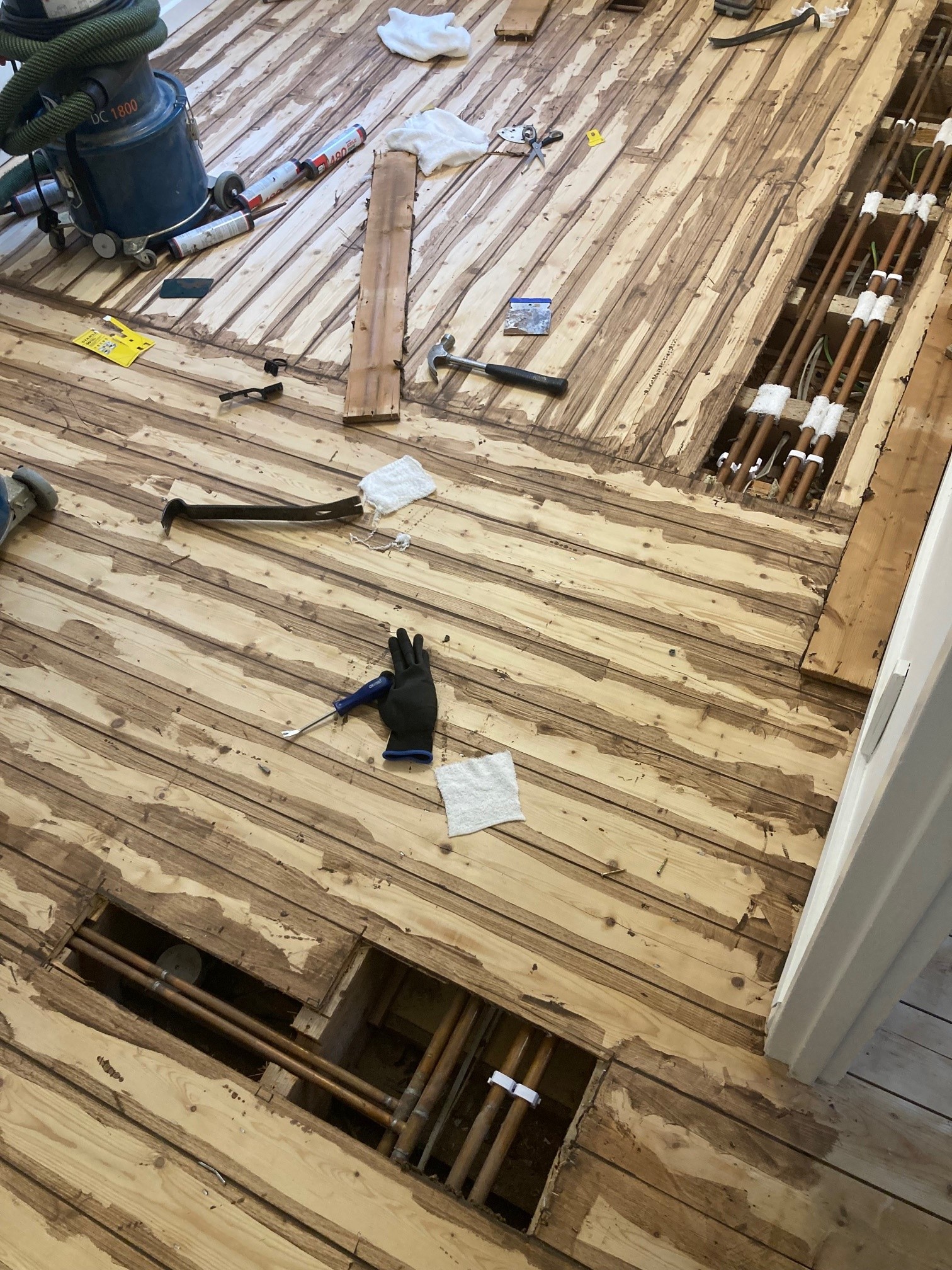
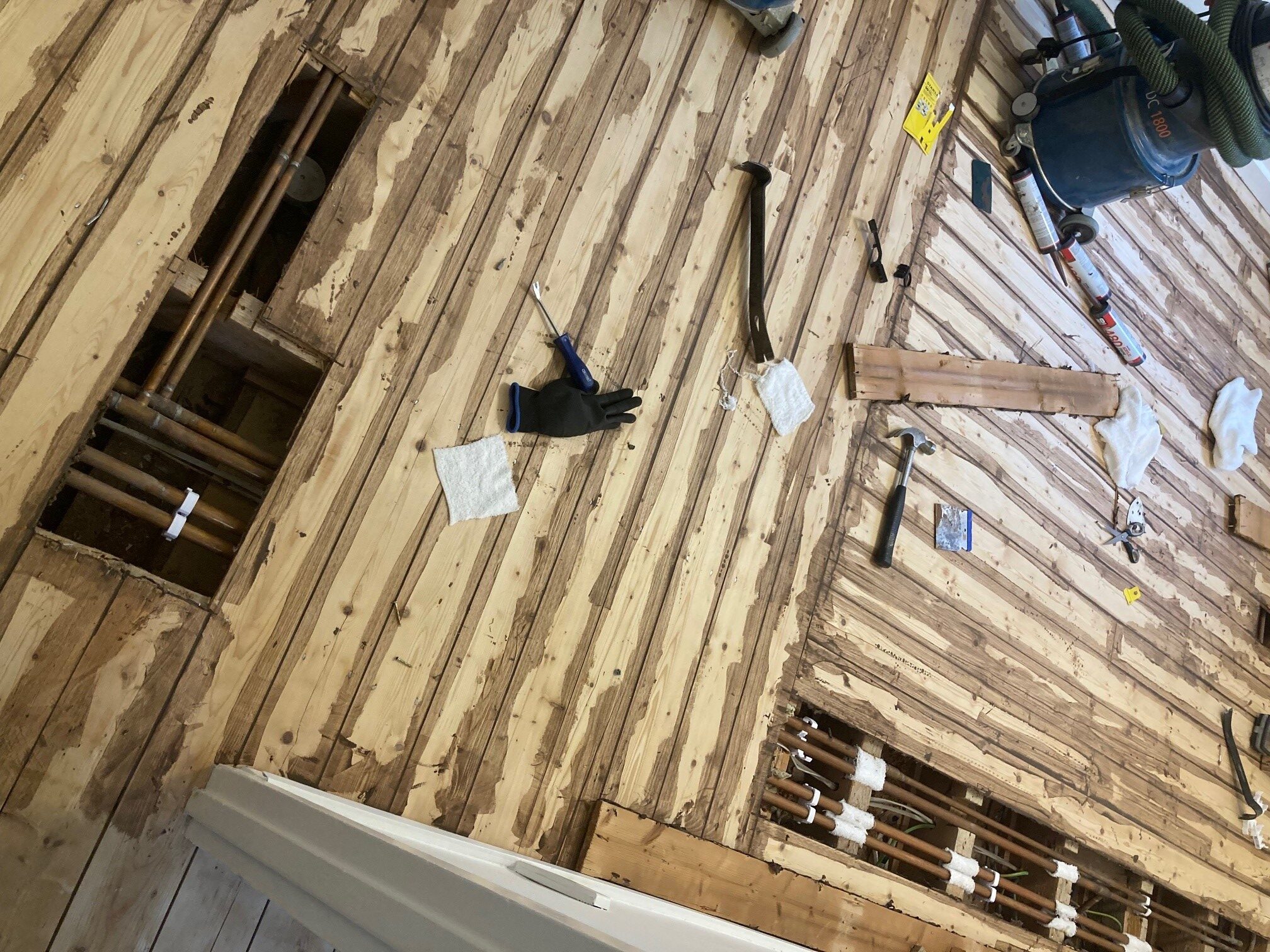
In reality, sanding is a surface process. It removes the old finish and a thin layer of damaged wood, but it does not correct structural problems or make movement disappear. A loose floorboard will still be loose after sanding. A missing section will still be missing. A floor that flexes underfoot will continue to flex, no matter how carefully the sanding is carried out.
This guide explains why the condition of the floor should be assessed before sanding begins, which defects usually need attention first, and how the right preparation leads to a better long-term result. The aim is not to make every sanding project bigger. It is to help you understand when repairs are genuinely needed and when sanding alone is enough.
Why This Question Matters
Most homeowners think about the finish. They imagine the colour, the sheen and the way the floor will look once the final coat has been applied. Those things matter, but the finish is only the last layer. The long-term result depends on what happens underneath it: the boards, the subfloor, the fixings and the stability of the timber.
Although sanding brings the surface back to life, it cannot give structure to a floor that has lost it. This is why floor repairs are often needed before a sanding machine touches the wood. The repair stage is not about adding unnecessary work. It is about protecting the investment that the sanding and finish represent.
Some problems only become more obvious after sanding. A filler that cracks, a board that shifts or a parquet block that lifts can all appear shortly after the work is finished. Other issues can worsen if ignored, turning a straightforward sanding and finishing project into a larger repair later on. The goal is not more work. The goal is the right work, carried out in the right order.
What Sanding Can And Cannot Fix
Sanding works by removing the old finish and a controlled layer of the wood beneath it. This is why surface problems such as scratches, worn lacquer and light staining usually respond well to professional floor sanding. The damaged surface layer is removed, leaving a cleaner, smoother base ready for a new finish.
Structural problems are different. Sanding cannot re-fix a loose board, close a gap that has opened up, or replace a section that is missing. These issues need to be addressed before sanding begins because movement during or after sanding can crack filler, affect the finish and shorten the life of the work.
| Issue | Can sanding help? | Will repairs usually be needed? |
|---|---|---|
| Surface scratches | Yes, if the scratches sit within the surface layer. | Not usually, unless unusually deep. |
| Worn finish | Yes, sanding removes the failed coating before a new finish is applied. | No, provided the boards are sound. |
| Light staining | Often, if the stain is shallow. | Sometimes, if staining has penetrated deeper. |
| Loose boards | No, movement remains after sanding. | Yes, boards need securing first. |
| Missing boards | No, sanding cannot replace absent timber. | Yes, missing sections need patching or replacement. |
| Large gaps | No, sanding does not close gaps. | Often, if gap filling is suitable for the floor. |
| Loose parquet blocks | No, loose blocks continue to move. | Yes, blocks should be re-fixed before sanding. |
| Water damage | Partly, if damage is only superficial. | Often, if boards are swollen, warped or softened. |
| Uneven previous repairs | No, sanding alone cannot correct poor patching. | Usually, old repairs need improving first. |
This table is a guide, not a rule. Every floor is different. The correct approach depends on the floor’s stability, previous repairs, moisture history and how much usable timber remains.
The Risks Of Sanding A Floor That Is Not Ready
Sanding a floor before necessary repairs have been completed can create more problems than it solves. The most obvious risk is finish failure. If a board moves after the floor has been coated, the finish can crack along the line of movement, leaving a visible fault that cannot usually be corrected without revisiting the area.
Filler is another common problem. Filler relies on the surrounding boards staying still. If individual boards are loose, or if a floor is still moving seasonally or structurally, filler can crack and fall out. A newly sanded floor with failed filler often looks worse than the floor did before because the clean surrounding timber makes the defect stand out.
There is also the matter of wasted effort. Sanding is intended to create a consistent surface. If boards are at different heights because they have worked loose, or if old repairs have broken down, the sanding machine may follow the uneven contours rather than solve the underlying issue. The floor can then need repairs and sanding again, which is exactly what good assessment is meant to avoid.
Common Problems That Usually Need Attention Before Sanding
Certain defects should normally be assessed before sanding starts. Not every floor will need major repair work, but the following issues are worth identifying early.
Loose Boards And Squeaks
Loose boards are one of the most common reasons for repairs before sanding. You may hear a hollow sound when you step on the board, or feel slight movement underfoot. Squeaks are often caused by friction between boards, fixings or the subfloor below.
Loose or squeaky boards should normally be secured before sanding. Movement during or after sanding can crack filler and disturb the finish. Securing the boards first gives the floor a stable base, which is exactly what a new finish needs.
Missing Sections And Damaged Boards
A floor with missing sections needs those areas patched or replaced before sanding begins. Sanding cannot recreate timber that is no longer there. This situation often appears after a fireplace hearth has been removed, where old pipework has been altered, or where a damaged board has been lifted and never replaced properly.
Damaged boards are similar. If a board is cracked, split, softened, heavily worn or too weak to hold a finish well, replacing that board before sanding may be the better route. The replacement can then be sanded with the rest of the floor, helping the repair sit more naturally within the finished surface. For larger voids, our guide to missing sections of wooden flooring explains how patch repairs are approached.
Gaps Between Boards
Gaps are common in older wooden floors, especially during dry conditions when boards shrink. Sanding will not close these gaps. In fact, sanding can make them more visible because the surrounding timber becomes cleaner and lighter.
Gap filling needs the right method and the right timing. A rigid filler in a moving floor can crack. Timber slivers may suit larger stable gaps. Flexible fillers may suit some floors where movement is expected. The correct choice depends on gap size, timber movement and the type of floor. Our wood floor gap filling guide explains the difference between resin, slivers and flexible fillers in more detail.
Loose Parquet Blocks
Parquet flooring needs particular care because the floor is made from many smaller blocks. If a block is loose, sanding will not re-stick it. A loose block can move, crack, damage neighbouring blocks or disturb the finish once the floor is in use again.
Any loose parquet blocks should be re-fixed before sanding begins. Once the blocks are stable, the whole surface can be sanded more evenly and finished as one floor. Ignoring a loose block is one of the quickest ways for a small repair to become a larger parquet restoration issue.
Water Damage
Water damage can be deceptive. Sometimes it is limited to surface staining that sanding may improve. In other cases, moisture has caused boards to swell, cup, warp or soften. Once timber has lost strength, sanding alone will not make it sound again.
A proper assessment is important because the visible mark is only part of the story. Moisture may have affected the underside of boards, the subfloor or the fixings. If the water damage is structural rather than cosmetic, repairs should be dealt with before sanding and finishing begin.
Uneven Repairs And Previous Workmanship
Some floors have already been repaired in ways that create problems later. Old filler can sit proud of the boards, mismatched patches can be poorly fitted, and previous repairs may move differently from the surrounding timber.
Sanding will not automatically disguise a poor patch or make an unstable repair behave properly. Where previous repair work is uneven, loose or visually harsh, it is usually better to correct it before the floor is sanded and finished.
Why Repairs Come First
The order of work matters. Repairs prepare the floor itself. Sanding prepares the surface. Finishing protects the result. If the floor is not sound, sanding is simply working on top of a problem that may return.
Repairs completed before sanding protect the finished floor in several ways. A stable floor holds gap filling more reliably. Secure boards are less likely to move and crack the finish. Replacement sections can be levelled with the existing floor. The sanding process can then work across a more consistent, stable surface.
This is why many wood floor restoration projects begin with an inspection of the whole floor rather than the sanding machine. The finish is the visible part of the work, but the preparation is what the finish depends on.
| Scenario | Likely better approach | Why |
|---|---|---|
| Stable floor with worn finish | Sanding and refinishing | The issue is mostly surface wear. |
| Loose boards or movement | Repairs before sanding | Movement can crack filler and finish. |
| Missing sections | Patch repair before sanding | The replacement timber needs blending into the finished surface. |
| Loose parquet blocks | Stabilisation before sanding | Blocks must be fixed before the pattern is sanded evenly. |
| Water-damaged boards | Assessment before sanding | Damage may be deeper than the visible stain. |
| Poor previous repairs | Correct repairs before sanding | Old patching may remain visible or unstable if ignored. |
Signs Your Floor May Need Repairs Before Sanding
If you are not sure whether repairs are needed, look for practical warning signs before sanding is booked.
- Boards move, bounce or squeak when walked on.
- Gaps are wide enough to collect dirt or create draughts.
- Sections of flooring are missing or patched with unsuitable material.
- Parquet blocks feel loose, lifted or hollow underfoot.
- Water damage has affected individual boards or blocks.
- Previous repairs look uneven, cracked or poorly matched.
- Boards sit at different heights or feel unstable.
- You can feel movement underfoot rather than just surface wear.
These signs do not automatically mean extensive repairs are required, but they usually justify an assessment before sanding proceeds.
When Repairs May Not Be Necessary
Not every floor needs repairs before sanding, and not every floor needs restoration. A floor that is already stable, with boards firmly fixed and no significant gaps, missing sections or movement, may simply need sanding and a new finish.
Minor cosmetic imperfections often sand out without additional repair work. Surface scratches, light staining and a worn finish are exactly the kinds of problems sanding is designed to address. In those cases, floor refinishing may be all that is needed.
The key is honest assessment. If the boards are solid, the surface is the only concern, and there is no history of movement, moisture or poorly repaired damage, sanding may be perfectly appropriate on its own.
Common Misconceptions About Repairs Before Sanding
A few misunderstandings cause many problems with wooden floors.
- Sanding fixes everything. It does not. Sanding improves the surface, not the structure.
- Loose boards will tighten up after sanding. They will not. Movement needs to be repaired.
- Gap filling solves all gaps. It only works when the floor is suitable and stable enough.
- A new finish will hide old movement. It will not. Movement often becomes more obvious after finishing.
- Repairs always make the project unnecessarily expensive. The wrong sequence can be more costly if the floor needs revisiting later.
- All floors need repairs before sanding. They do not. Stable floors with surface wear may only need sanding and finishing.
The Value Of A Professional Assessment
Knowing whether a floor needs repairs before sanding is not always straightforward. Some problems are obvious, such as a missing board or a wide gap. Others are hidden, such as loose fixings, adhesive failure beneath parquet blocks or moisture affecting the underside of the timber.
A professional assessment looks at the whole floor. It considers the stability of the boards, the condition of the subfloor, the repair history of the floor and how the timber is likely to behave once it has been sanded and sealed.
An experienced specialist can tell the difference between a floor that simply needs a refresh and one that needs targeted repairs first. That judgement matters because getting the order wrong can mean paying for sanding twice, or living with a floor that looks better but still performs badly.
Final Thoughts
Floors should be repaired before sanding when the problem sits in the floor itself rather than just in the surface finish. Loose boards, missing sections, large gaps, water-damaged timber, loose parquet blocks and poor previous repairs should normally be assessed before sanding begins.
That does not mean every floor needs repair work. A stable floor with surface scratches, worn lacquer or light staining may only need sanding and refinishing. The best results come from understanding the condition of the floor before choosing the treatment.
If your floor has movement, gaps, missing sections or damaged boards, a repair-first approach gives the sanding and finish a better foundation and a better chance of lasting.
Frequently Asked Questions
Can sanding fix loose floorboards?
No. Sanding removes the surface layer of the wood, but it cannot re-secure a board that has come loose from the subfloor. Loose boards should be fixed before sanding begins because movement during or after sanding can crack filler and disturb the new finish.
Should gaps between boards be filled before or after sanding?
Gaps are usually assessed before sanding and dealt with as part of the preparation process. The exact timing depends on the chosen filling method and the condition of the floor. Sanding will not close gaps, and moving boards can cause filler to fail.
Can water-damaged floorboards be sanded instead of replaced?
It depends on how deep the damage goes. If the water damage is limited to surface staining, sanding may help. If boards have swollen, warped, softened or lost strength, repairs or replacement may be needed before sanding.
What happens if boards are sanded without being repaired first?
The surface may look better for a short time, but the underlying problems can reappear. Loose boards can continue to move, gaps can open again, and old repairs may become more noticeable once the surrounding timber has been cleaned and finished.
Can a floor need both repairs and sanding?
Yes. Many projects involve repairs first and sanding afterwards. Repairs address the condition and stability of the floor, while sanding prepares the surface for a new finish. The two stages often work together.
Do all floors need repairs before sanding?
No. Many stable wooden floors only need sanding and refinishing. Repairs are usually needed when there is movement, damage, missing timber, loose parquet, water damage or unsuitable previous repair work.
Recommended Posts
How Does Dust-Controlled Floor Sanding Work?
08/08/2026
Is Parquet Floor Restoration Worth It?
06/08/2026
Testimonial Five
See more of our customer reviews at Checkatrade.com
YOU’RE IN GOOD HANDS






Contact our local carpet cleaners and local floor sanders near you to discover more about a full selection of floor restoration services.
Contact Us