

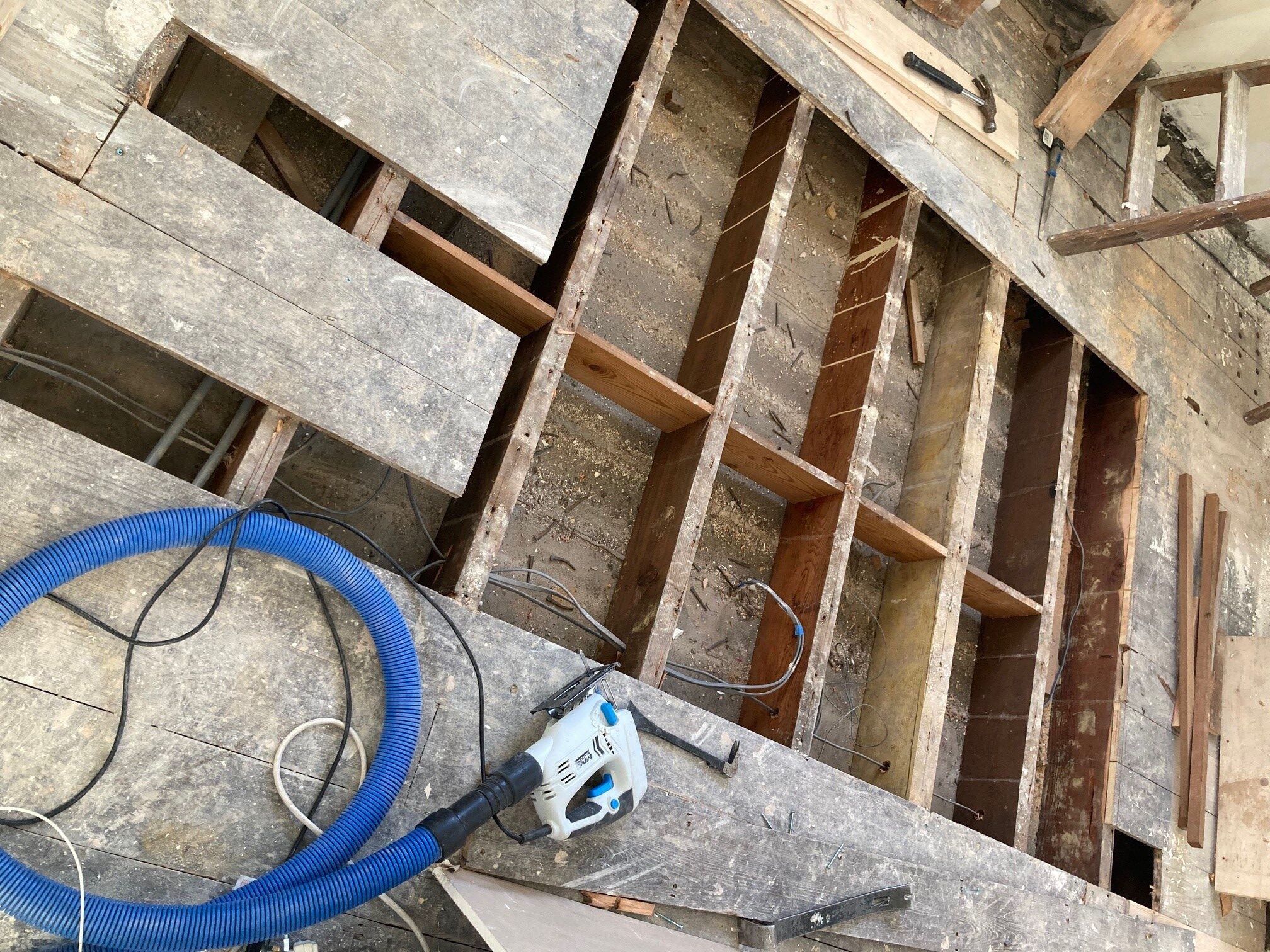
Pull up the edge of an old carpet in a period home and you may find more than floorboards. There may be a gap where a board should be, a void left by a removed hearth, a section of plywood that was fitted years ago as a quick fix, or several parquet blocks missing from the edge of a room. Missing sections of wooden flooring are common in older properties. They are usually caused by past building work, fireplace alterations, pipework changes, local damage, damp, old woodworm damage, or previous repairs that were never properly finished. The good news......
Continue Reading
Wood Floor Gap Filling: When to Use Resin, Slivers or Flexible Fillers
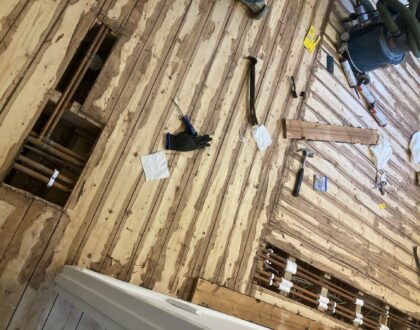
Gaps in wood floors are a common frustration for homeowners. They collect dust, can let in draughts, and may make a room feel unfinished. But filling those gaps is not as simple as squeezing in any product from a hardware shop. The right method depends on the size of the gap, the type of wood, whether the floor is still moving, and the result you want to achieve. This guide explains the three main approaches used in wood floor gap filling: resin and dust filling, timber slivers, and flexible fillers. Each has strengths, weaknesses and situations where it should...
Continue Reading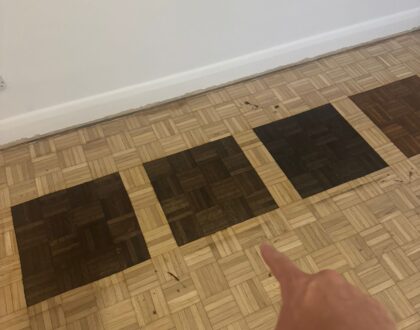
Hardwax Oil vs Lacquer: Which Wood Floor Finish Is Best?
Hardwax Oil vs Lacquer: Which Wood Floor Finish Is Best? Choosing between hardwax oil and lacquer is one of the most important decisions in a wooden floor refinishing project. Both finishes can produce excellent results, but they behave differently once the floor is back in everyday use. The best choice is not simply the finish that looks nicest on a sample board. It depends on how the room is used, how much maintenance you are comfortable with, whether pets or children use the space, the condition of the timber, and whether you want a natural feel or a more protected surface....
Continue Reading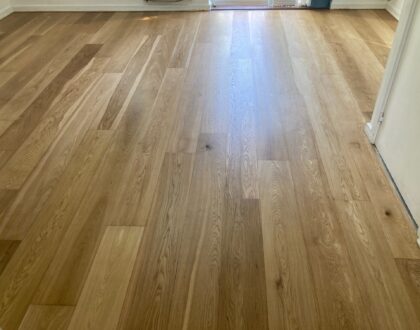
Can Engineered Wood Floors Be Sanded More Than Once? What Homeowners Need To Know
Engineered wood flooring is a popular choice in UK homes because it provides the appearance of real wood while offering good stability in normal domestic conditions. Over time, everyday wear, scratches, dull patches, failed finishes or previous poor workmanship can leave these floors looking tired. At that point, many homeowners ask the same question: can engineered wood floors be sanded again? The answer is not a simple yes or no. Unlike solid wood flooring, engineered boards have a finite layer of real wood on top of a plywood or HDF core. This top layer is known as the wear...
Continue Reading
Professional Floor sanding Service
Some wooden floors can be improved with maintenance, cleaning or a light recoat. Others have gone beyond that point and need professional floor sanding before the finish can be restored properly. This project is a good example. The commercial wood floor had already been sanded by another contractor, but the surface was left with visible stop marks, uneven areas and inconsistent finishing across the floor. Once marks like these are left in the timber or trapped beneath the finish, surface maintenance alone will not usually correct the problem. In cases like this, the floor needs to be assessed properly...
Continue Reading